
Glucosamine: The Cartilage Protector
Glucosamine, a naturally occurring compound in cartilage, is often the first supplement considered for joint health. It plays a vital role in building and maintaining cartilage, the rubbery tissue that cushions joints and allows for smooth movement. As we age, glucosamine production naturally declines, potentially leading to cartilage breakdown and joint pain.
There are two primary forms of glucosamine used in supplements: glucosamine sulfate and glucosamine hydrochloride (HCl). Research suggests glucosamine sulfate is more effective for reducing pain and improving joint function compared to glucosamine HCl. This is potentially due to the sulfate component, which is essential for cartilage production.
Mechanism of Action: Glucosamine works by stimulating chondrocytes, the cells responsible for producing cartilage. It provides the building blocks necessary for cartilage synthesis, helping to rebuild damaged cartilage and slow down further degradation. Furthermore, glucosamine possesses anti-inflammatory properties, contributing to pain relief.
Dosage and Considerations: A typical dosage of glucosamine sulfate is 1500mg per day, often divided into three 500mg doses. It may take several weeks to months to experience noticeable benefits. While generally considered safe, some individuals may experience mild side effects like nausea, heartburn, or diarrhea. Individuals with shellfish allergies should exercise caution, as glucosamine is often derived from shellfish. Consult with a healthcare professional before starting glucosamine supplementation, especially if you have underlying medical conditions or are taking other medications.
Chondroitin: Enhancing Cartilage Elasticity and Reducing Inflammation
Chondroitin sulfate, another key component of cartilage, works synergistically with glucosamine to support joint health. Chondroitin helps to attract and retain water within cartilage, contributing to its elasticity and shock-absorbing properties. It also inhibits enzymes that break down cartilage, further protecting joint integrity.
Mechanism of Action: Chondroitin acts as a “water magnet” within cartilage, ensuring adequate hydration and lubrication. This helps to reduce friction between bones during movement, minimizing pain and stiffness. Additionally, chondroitin possesses anti-inflammatory effects, reducing inflammation in the joints and surrounding tissues.
Dosage and Considerations: A typical dosage of chondroitin sulfate is 800-1200mg per day, often divided into two doses. Similar to glucosamine, it may take several weeks to months to experience noticeable benefits. Chondroitin is generally well-tolerated, but some individuals may experience mild gastrointestinal side effects. As with glucosamine, it’s essential to consult with a healthcare professional before starting chondroitin supplementation, particularly if you have bleeding disorders or are taking anticoagulant medications.
MSM (Methylsulfonylmethane): The Sulfur Source for Joint Repair
MSM is a naturally occurring organosulfur compound found in plants, animals, and humans. Sulfur is a crucial component of collagen, a protein that provides structure and support to connective tissues, including cartilage, tendons, and ligaments. MSM is believed to support joint health by providing the body with a readily available source of sulfur.
Mechanism of Action: MSM helps to reduce inflammation and pain by inhibiting the production of inflammatory cytokines. It also acts as an antioxidant, protecting cells from damage caused by free radicals. By providing sulfur, MSM supports the formation of collagen and other proteins essential for joint repair and maintenance.
Dosage and Considerations: A typical dosage of MSM ranges from 1500-3000mg per day, often divided into two or three doses. MSM is generally considered safe, with mild side effects like nausea, diarrhea, or headache reported in some individuals. It can be taken alone or in combination with glucosamine and chondroitin for enhanced joint support.
Hyaluronic Acid (HA): The Joint Lubricant
Hyaluronic acid is a naturally occurring substance found in synovial fluid, the fluid that lubricates joints. HA acts as a shock absorber and lubricant, allowing for smooth and pain-free movement. As we age, HA levels in synovial fluid decline, leading to decreased lubrication and increased friction within the joints.
Mechanism of Action: HA works by increasing the viscosity of synovial fluid, making it thicker and more cushioning. This reduces friction between bones and cartilage, alleviating pain and stiffness. Oral HA supplements are absorbed into the bloodstream and transported to the joints, where they help to replenish HA levels.
Dosage and Considerations: A typical dosage of oral HA ranges from 80-200mg per day. Some studies suggest that HA injections directly into the joint can be more effective than oral supplementation, but this procedure should be performed by a qualified healthcare professional. HA is generally well-tolerated, with minimal side effects.
Omega-3 Fatty Acids: The Inflammation Fighters
Omega-3 fatty acids, particularly EPA (eicosapentaenoic acid) and DHA (docosahexaenoic acid), are essential fatty acids found in fatty fish like salmon, mackerel, and sardines. Omega-3s possess potent anti-inflammatory properties that can benefit joint health.
Mechanism of Action: Omega-3 fatty acids reduce inflammation by inhibiting the production of inflammatory molecules called eicosanoids and cytokines. They also promote the production of anti-inflammatory molecules called resolvins and protectins. By reducing inflammation, omega-3s can help to alleviate joint pain and stiffness.
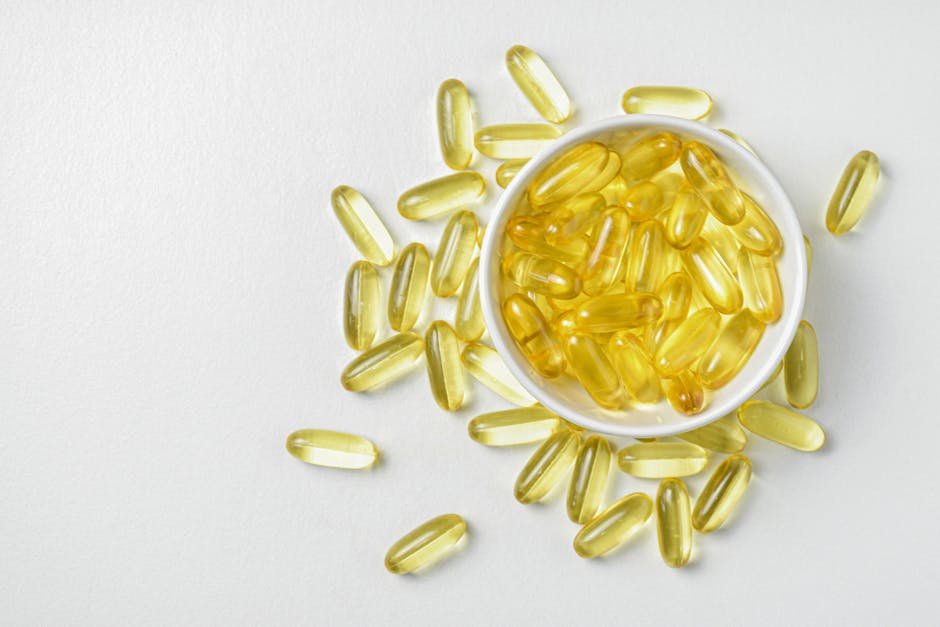
Dosage and Considerations: A typical dosage of omega-3 fatty acids is 2-4 grams per day, with a focus on EPA and DHA. Fish oil supplements are a common source of omega-3s, but it’s important to choose a high-quality supplement that has been tested for purity and potency. Plant-based sources of omega-3s, such as flaxseed oil and chia seeds, contain ALA (alpha-linolenic acid), which the body can convert to EPA and DHA, but the conversion rate is often low. Individuals taking anticoagulant medications should exercise caution when taking omega-3 supplements, as they can increase the risk of bleeding.
Turmeric (Curcumin): The Ancient Anti-Inflammatory
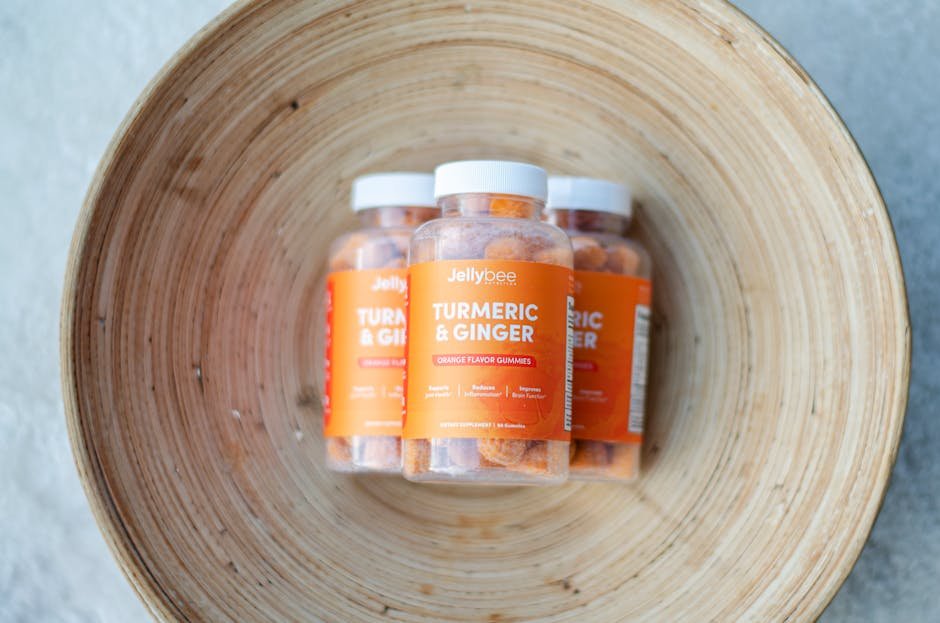
Turmeric, a spice commonly used in Indian cuisine, contains curcumin, a potent anti-inflammatory compound. Curcumin has been shown to reduce pain and improve joint function in individuals with osteoarthritis.
Mechanism of Action: Curcumin inhibits the activity of inflammatory enzymes and cytokines, reducing inflammation throughout the body. It also acts as an antioxidant, protecting cells from damage caused by free radicals. Due to its poor bioavailability, curcumin is often combined with piperine, a compound found in black pepper, which enhances its absorption.
Dosage and Considerations: A typical dosage of curcumin ranges from 500-2000mg per day, often divided into multiple doses. Look for curcumin supplements that contain piperine or are formulated for enhanced absorption. Curcumin is generally considered safe, but some individuals may experience mild gastrointestinal side effects. It can interact with certain medications, so it’s essential to consult with a healthcare professional before starting curcumin supplementation.
SAMe (S-Adenosylmethionine): The Mood Booster and Joint Supporter
SAMe is a naturally occurring compound found in every cell of the body. It plays a role in various biochemical reactions, including the synthesis of cartilage and neurotransmitters. SAMe has been shown to reduce pain and improve joint function in individuals with osteoarthritis, and it may also have mood-boosting effects.
Mechanism of Action: SAMe supports joint health by stimulating the production of cartilage components and inhibiting the activity of inflammatory enzymes. It also helps to regulate neurotransmitters, which can contribute to pain perception and mood.
Dosage and Considerations: A typical dosage of SAMe ranges from 200-400mg two to three times per day. SAMe is generally well-tolerated, but some individuals may experience mild side effects like nausea, insomnia, or anxiety. It can interact with certain medications, so it’s essential to consult with a healthcare professional before starting SAMe supplementation, especially if you have bipolar disorder.
Vitamin D: The Bone and Joint Protector
Vitamin D is essential for bone health and plays a role in joint function. Vitamin D deficiency is linked to an increased risk of osteoarthritis and other joint conditions.
Mechanism of Action: Vitamin D helps to regulate calcium absorption, which is crucial for bone health. It also plays a role in immune function and inflammation. By maintaining healthy bone density and reducing inflammation, vitamin D supports joint health.
Dosage and Considerations: The recommended daily intake of vitamin D is 600-800 IU, but some individuals may require higher doses, especially if they are deficient. A blood test can determine your vitamin D levels. Vitamin D supplements are generally safe, but high doses can lead to hypercalcemia (excess calcium in the blood).
Boswellia Serrata: The Ayurvedic Anti-Inflammatory
Boswellia serrata, also known as Indian frankincense, is a herbal extract used in Ayurvedic medicine for its anti-inflammatory properties. It contains boswellic acids, which have been shown to reduce pain and improve joint function in individuals with osteoarthritis.
Mechanism of Action: Boswellic acids inhibit the activity of an enzyme called 5-lipoxygenase (5-LOX), which plays a key role in the production of inflammatory leukotrienes. By blocking 5-LOX, Boswellia serrata helps to reduce inflammation and pain.
Dosage and Considerations: A typical dosage of Boswellia serrata ranges from 300-500mg two to three times per day. Look for supplements standardized to contain a high percentage of boswellic acids. Boswellia serrata is generally well-tolerated, but some individuals may experience mild gastrointestinal side effects.