
Yoga for Wellness: Best Practices for Busy Professionals
Understanding the Wellness Imperative for Professionals
The relentless demands of modern professional life—long hours, high-pressure environments, constant connectivity—often lead to chronic stress, burnout, and a decline in overall well-being. This negatively impacts productivity, creativity, and job satisfaction. Wellness, therefore, is not a luxury, but a strategic necessity for professionals to thrive. It encompasses physical, mental, and emotional health, and yoga, a holistic practice integrating these aspects, offers a powerful tool for achieving and maintaining optimal wellness amidst a hectic schedule.
The Multifaceted Benefits of Yoga: A Scientifically-Backed Approach
Yoga’s benefits extend far beyond simple stretching. Scientific research consistently demonstrates its efficacy in several key areas:
-
Stress Reduction: Yoga stimulates the parasympathetic nervous system, responsible for the “rest and digest” response. This counteracts the “fight or flight” response triggered by stress, lowering cortisol levels and promoting relaxation. Breathing exercises (pranayama) are particularly effective in calming the mind and reducing anxiety.
-
Improved Physical Health: Regular yoga practice enhances flexibility, strength, balance, and cardiovascular health. Specific poses target different muscle groups, improving posture and reducing muscle tension, common ailments among desk-bound professionals. Yoga can also alleviate back pain, a prevalent issue exacerbated by prolonged sitting.
-
Enhanced Mental Clarity and Focus: Certain yoga styles, such as mindfulness-based yoga, cultivate present moment awareness, improving concentration and reducing mental clutter. This translates to increased productivity, better decision-making, and enhanced creativity.
-
Improved Sleep Quality: Stress and anxiety often disrupt sleep patterns. Yoga’s calming effects can promote relaxation and ease the transition into sleep. Practices like Yoga Nidra are specifically designed to induce deep relaxation and improve sleep quality.
-
Emotional Regulation: Yoga cultivates self-awareness and emotional resilience. By paying attention to physical sensations and breath, practitioners become more attuned to their emotional states, enabling them to manage stress and navigate challenging situations with greater equanimity.
Choosing the Right Yoga Style: Tailoring the Practice to Individual Needs
Not all yoga styles are created equal. Busy professionals should carefully consider their goals and physical capabilities when selecting a practice:
-
Hatha Yoga: A foundational style focusing on basic poses and breath control. Suitable for beginners and those seeking a gentle introduction to yoga. Hatha classes typically involve holding poses for longer durations, allowing for deeper stretching and relaxation.
-
Vinyasa Yoga: A dynamic and flowing style that synchronizes breath with movement. Ideal for those seeking a cardiovascular workout and stress relief. Vinyasa classes are often more physically demanding and can build strength and endurance.
-
Restorative Yoga: A deeply relaxing style that involves holding poses passively with the support of props like blankets and bolsters. Excellent for reducing stress, improving sleep, and promoting deep relaxation. Restorative yoga is particularly beneficial for individuals experiencing burnout or fatigue.
-
Yin Yoga: A slower-paced style that targets the deep connective tissues of the body (fascia). Yin yoga involves holding poses for several minutes at a time, promoting flexibility and releasing emotional blockages.
-
Yoga Nidra: A guided meditation practice that induces a state of deep relaxation, similar to sleep. Yoga Nidra is highly effective for reducing stress, improving sleep quality, and promoting overall well-being.
-
Chair Yoga: A modified form of yoga performed while seated in a chair or standing using a chair for support. Ideal for individuals with limited mobility or physical limitations. Chair yoga offers the same benefits as traditional yoga, but in a more accessible format.
Integrating Yoga into a Busy Schedule: Practical Strategies for Success
The biggest challenge for busy professionals is often finding the time for yoga. Here are some practical strategies to overcome this obstacle:
-
Schedule Yoga as an Appointment: Treat yoga sessions as non-negotiable appointments in your calendar. This helps prioritize the practice and avoid scheduling conflicts.
-
Utilize Short Bursts of Time: Even 10-15 minutes of yoga can make a difference. Incorporate simple stretches or breathing exercises into your workday, such as during breaks or before meetings.
-
Practice at Home: Online yoga classes and apps offer flexibility and convenience. This allows you to practice at any time and from anywhere, eliminating the need to travel to a studio.
-
Combine Yoga with Other Activities: Walk or bike to yoga class, combining exercise with transportation. Listen to yoga podcasts or guided meditations during your commute.
-
Incorporate Yoga into Your Morning Routine: Start your day with a few minutes of yoga to energize your body and focus your mind. This sets a positive tone for the day ahead.
-
Find a Yoga Buddy: Practicing with a friend or colleague can provide motivation and accountability. Schedule regular yoga sessions together and support each other’s progress.
Essential Poses for Busy Professionals: A Targeted Approach
Certain yoga poses are particularly beneficial for addressing the specific challenges faced by professionals:
-
Child’s Pose (Balasana): A restorative pose that calms the mind, relieves stress, and gently stretches the hips, thighs, and ankles.
-
Downward-Facing Dog (Adho Mukha Svanasana): An energizing pose that strengthens the arms, legs, and core, while stretching the hamstrings and calves.
-
Warrior II (Virabhadrasana II): A powerful pose that builds strength, stamina, and focus, while opening the hips and chest.
-
Triangle Pose (Trikonasana): A grounding pose that stretches the hamstrings, hips, and spine, while improving balance and coordination.
-
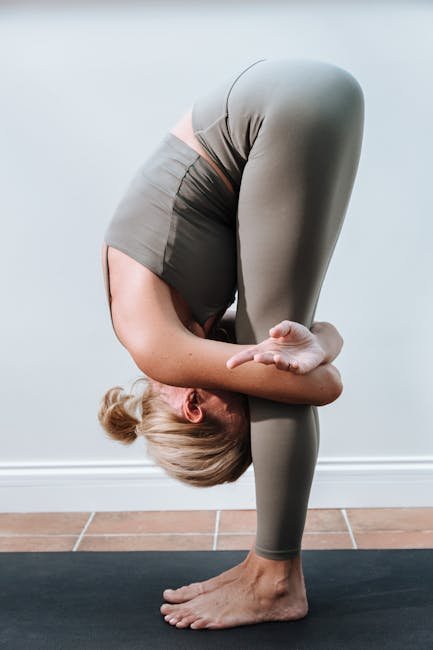
Seated Forward Fold (Paschimottanasana): A calming pose that stretches the hamstrings and spine, while relieving stress and anxiety.
-
Cat-Cow Pose (Marjaryasana to Bitilasana): A gentle flow that improves spinal mobility and releases tension in the back and neck.
-
Corpse Pose (Savasana): A deeply relaxing pose that allows the body and mind to integrate the benefits of the practice.
Breathing Techniques (Pranayama): The Foundation of Yoga
Breathing exercises are an integral part of yoga and can be practiced independently to manage stress and improve well-being:
-
Diaphragmatic Breathing (Belly Breathing): A simple technique that involves breathing deeply into the abdomen, activating the diaphragm and promoting relaxation.
-
Alternate Nostril Breathing (Nadi Shodhana Pranayama): A balancing technique that calms the nervous system, reduces anxiety, and improves focus.
-
Ujjayi Breath (Victorious Breath): A warming technique that creates a subtle constriction in the back of the throat, generating internal heat and promoting relaxation.
Creating a Supportive Environment: Optimal Practice Conditions
To maximize the benefits of yoga, create a supportive environment:
-
Quiet and Comfortable Space: Find a quiet and comfortable space where you can practice without distractions.
-
Yoga Mat and Props: Invest in a good quality yoga mat and any necessary props, such as blocks, straps, and blankets.
-
Comfortable Clothing: Wear loose-fitting and comfortable clothing that allows you to move freely.
-
Mindful Intention: Set a clear intention for your practice, such as stress reduction, improved focus, or increased energy.
Listening to Your Body: The Importance of Self-Awareness
Yoga is not about pushing yourself to the limit. It’s about listening to your body and respecting its boundaries. Avoid forcing yourself into poses and modify them as needed. If you experience any pain, stop and consult with a qualified yoga instructor.
Seeking Guidance: Working with a Qualified Yoga Instructor
While online resources can be helpful, working with a qualified yoga instructor provides personalized guidance and ensures proper alignment. A good instructor can help you modify poses to suit your individual needs and address any physical limitations.
Consistency is Key: Cultivating a Sustainable Practice
The benefits of yoga are cumulative. Consistency is key to reaping the full rewards of the practice. Aim for regular practice, even if it’s just for a few minutes each day. Make yoga a sustainable part of your lifestyle, and you will experience significant improvements in your physical, mental, and emotional well-being.