
Understanding Your Energy Needs: A Personalized Approach to Supplement Selection
Before diving into the vast world of energy supplements, a critical first step involves self-assessment. What kind of energy are you seeking? Is it sustained, all-day vitality, or a quick boost for workouts or mentally demanding tasks? Are you struggling with chronic fatigue, or just occasional slumps? Identifying the root cause and desired outcome dictates the type of supplement most likely to be effective.
Consider your lifestyle. Are you a shift worker battling circadian rhythm disruption? A student needing to focus during long study sessions? An athlete looking to optimize performance? A busy parent constantly on the go? These different scenarios call for different solutions.
Furthermore, scrutinize your existing diet and lifestyle habits. Are you consuming enough water? Are you getting adequate sleep (7-9 hours for most adults)? Are you deficient in essential vitamins and minerals? Addressing these fundamental issues often yields greater results than relying solely on supplements. Keep a food diary for a week to analyze your intake of essential nutrients like iron, B vitamins, and vitamin D. Consult a healthcare professional for blood work to identify potential deficiencies.
Finally, be honest about your current energy levels throughout the day. Track them on a scale of 1 to 10. Note the times when you experience peaks and dips. This data will help you pinpoint the times you need a boost and inform your supplement choices. If your dips are concentrated in the afternoon, an adaptogen like Rhodiola Rosea might be more helpful than a caffeine-based pre-workout.
Navigating the Supplement Jungle: Dissecting Common Energy-Boosting Ingredients
The supplement market is flooded with products claiming to enhance energy. Understanding the active ingredients and their mechanisms of action is crucial for making informed decisions. Here’s a breakdown of some common players:
-
Caffeine: The undisputed king of energy boosters. Caffeine works by blocking adenosine, a neurotransmitter that promotes relaxation and sleepiness. This results in increased alertness, focus, and physical performance. However, tolerance develops quickly, requiring higher doses for the same effect. Common sources include coffee, tea, energy drinks, and pre-workout supplements. Be mindful of the dosage. Excessive caffeine can lead to anxiety, insomnia, heart palpitations, and digestive issues.
-
B Vitamins: These water-soluble vitamins play a vital role in energy metabolism, converting food into usable energy. B vitamins are crucial for various enzymatic reactions involved in carbohydrate, fat, and protein metabolism. Deficiencies in B vitamins can lead to fatigue, weakness, and cognitive impairment. Look for a B-complex supplement containing thiamin (B1), riboflavin (B2), niacin (B3), pantothenic acid (B5), pyridoxine (B6), biotin (B7), folate (B9), and cobalamin (B12).
-
Creatine: Primarily known for its muscle-building properties, creatine also enhances energy production during high-intensity exercise. Creatine increases the availability of ATP (adenosine triphosphate), the primary energy currency of cells. While predominantly used by athletes, creatine can also improve cognitive function, particularly in individuals with creatine deficiencies.
-
Rhodiola Rosea: An adaptogenic herb that helps the body cope with stress. Rhodiola Rosea can improve mental performance, reduce fatigue, and enhance physical endurance. It works by modulating the hypothalamic-pituitary-adrenal (HPA) axis, which regulates the body’s stress response.
-
L-Theanine: An amino acid found primarily in tea. L-Theanine promotes relaxation without drowsiness and enhances cognitive function, particularly when combined with caffeine. It works by increasing alpha brainwave activity, which is associated with a state of calm alertness.
-
Coenzyme Q10 (CoQ10): A naturally occurring antioxidant that plays a vital role in cellular energy production. CoQ10 is involved in the electron transport chain, a crucial step in ATP synthesis. Supplementation may be beneficial for individuals with CoQ10 deficiencies, particularly those taking statin medications, which can deplete CoQ10 levels.
-
Iron: Essential for oxygen transport in the blood. Iron deficiency anemia can lead to fatigue, weakness, and shortness of breath. If you suspect an iron deficiency, consult a doctor for testing and appropriate supplementation.
-
Magnesium: Involved in over 300 enzymatic reactions, including energy production. Magnesium deficiency can contribute to fatigue, muscle cramps, and headaches.
-
Guarana: A natural source of caffeine that releases more slowly than caffeine from coffee. This can result in a smoother, more sustained energy boost without the jitters or crash.
Quality Matters: Prioritizing Safety and Efficacy in Supplement Selection
The supplement industry is largely unregulated, making it crucial to prioritize product quality and safety. Look for products that have been third-party tested for purity and potency. Reputable organizations like NSF International, USP, and Informed-Choice provide independent certifications. These certifications ensure that the product contains what the label claims and is free from contaminants.
Read ingredient labels carefully and be wary of proprietary blends, which obscure the specific amounts of each ingredient. Research each ingredient to understand its potential benefits and side effects. Pay attention to serving sizes and recommended dosages.
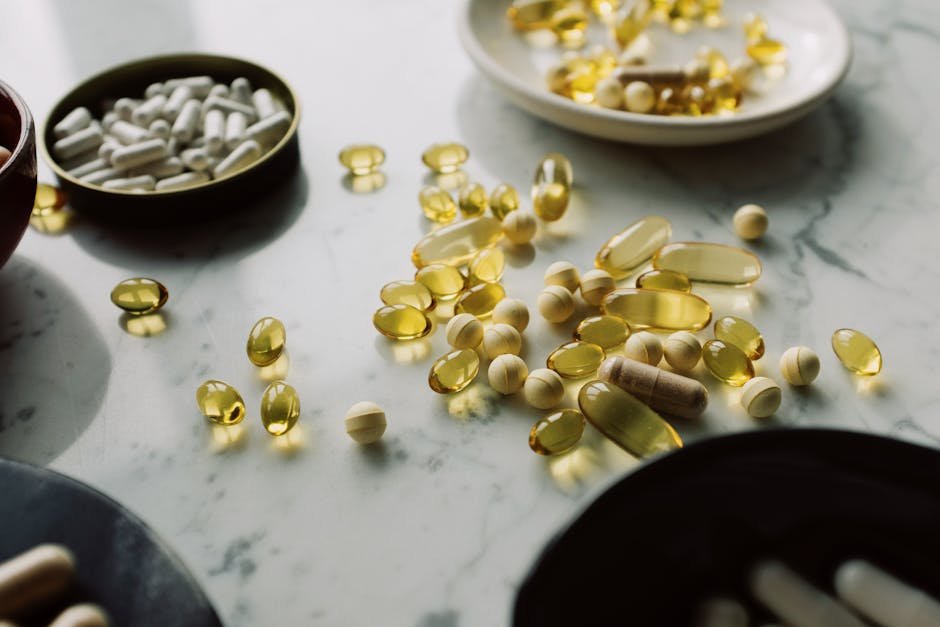
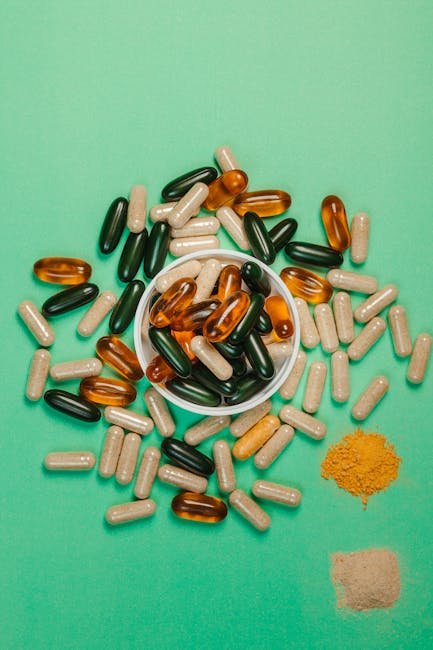
Consider the form of the supplement. Capsules, tablets, powders, and liquids all have different absorption rates. Choose a form that is convenient for you and optimizes bioavailability. For example, sublingual B12 is often more readily absorbed than oral B12.
Be aware of potential interactions with medications or pre-existing health conditions. If you are taking any prescription medications or have any underlying health concerns, consult with your doctor or a registered dietitian before taking any new supplements. Certain supplements, like St. John’s Wort, can interact negatively with various medications.
Read online reviews and seek recommendations from trusted sources. However, remember that individual responses to supplements can vary. What works for one person may not work for another.
Finally, start with a low dose and gradually increase it as needed, paying close attention to how your body responds. Discontinue use if you experience any adverse effects.
Beyond Supplements: Holistic Strategies for Sustainable Energy
Supplements are only one piece of the energy puzzle. To achieve sustainable energy, address the underlying factors contributing to fatigue. This includes:
-
Prioritizing Sleep: Aim for 7-9 hours of quality sleep each night. Establish a regular sleep schedule and create a relaxing bedtime routine. Avoid caffeine and alcohol before bed.
-
Optimizing Diet: Focus on whole, unprocessed foods that are rich in nutrients. Include plenty of fruits, vegetables, lean protein, and healthy fats. Limit processed foods, sugary drinks, and refined carbohydrates.
-
Hydration: Dehydration can lead to fatigue and decreased cognitive function. Drink plenty of water throughout the day.
-
Regular Exercise: Regular physical activity can improve energy levels and overall health. Aim for at least 30 minutes of moderate-intensity exercise most days of the week.
-
Stress Management: Chronic stress can deplete energy reserves. Practice relaxation techniques such as yoga, meditation, or deep breathing exercises.
-
Sunlight Exposure: Sunlight helps regulate the circadian rhythm and boosts vitamin D levels. Spend time outdoors each day, especially during the morning hours.
-
Mindful Breaks: Take regular breaks throughout the day to rest and recharge. Even a few minutes of deep breathing or stretching can make a difference.
By combining strategic supplement use with healthy lifestyle habits, you can optimize your energy levels and achieve sustainable vitality. Remember to consult with a healthcare professional before starting any new supplement regimen, especially if you have any underlying health conditions or are taking medications.