
Deep Breathing Exercises for Immediate Stress Reduction
Deep breathing, also known as diaphragmatic breathing or belly breathing, is a powerful yet simple technique that can significantly reduce stress levels in minutes. The physiological basis lies in its stimulation of the parasympathetic nervous system, often called the “rest and digest” system, which counteracts the “fight or flight” response triggered by stress. Unlike shallow chest breathing, which exacerbates anxiety, deep breathing promotes oxygenation and helps regulate heart rate and blood pressure.
To practice deep breathing effectively, find a comfortable position, either sitting or lying down. Place one hand on your chest and the other on your abdomen. Inhale slowly and deeply through your nose, allowing your abdomen to rise while keeping your chest relatively still. Exhale slowly through your mouth, feeling your abdomen fall. Focus on the sensation of the air moving in and out of your body. Repeat this process for 5-10 minutes, paying attention to the rhythm and depth of your breaths.
Several variations exist, each offering unique benefits. Box breathing, for example, involves inhaling for four seconds, holding for four seconds, exhaling for four seconds, and holding again for four seconds, creating a square pattern. This structured approach can be particularly helpful for managing panic attacks or heightened anxiety. Another variation, the 4-7-8 technique, involves inhaling for four seconds, holding your breath for seven seconds, and exhaling slowly for eight seconds. This technique is known for its calming and sleep-inducing properties.
The key to maximizing the benefits of deep breathing is consistency. Incorporating it into your daily routine, even for a few minutes, can significantly improve your stress resilience. Consider setting reminders on your phone or integrating it into existing habits, such as before meals or before bed.
Progressive Muscle Relaxation (PMR): Releasing Physical Tension
Progressive Muscle Relaxation (PMR) is a technique developed by Dr. Edmund Jacobson, designed to systematically reduce muscle tension throughout the body. It involves tensing and then releasing different muscle groups in a specific order, allowing you to become more aware of the sensations of tension and relaxation. This awareness empowers you to consciously release tension as it arises, preventing it from accumulating and contributing to stress and anxiety.
The basic procedure involves lying down in a comfortable position and starting with your feet. Tense the muscles in your feet as tightly as possible for about 5-10 seconds, focusing on the sensation of tension. Then, suddenly release the tension and pay attention to the feeling of relaxation that follows. Repeat this process, moving up your body to your calves, thighs, abdomen, chest, back, shoulders, arms, hands, neck, and face.
Specific techniques for each muscle group vary slightly. For example, to tense your feet, you can point your toes towards your head. To tense your calves, you can flex your feet. For your hands, you can clench them tightly into fists. It’s crucial to avoid tensing any muscles so hard that it causes pain. The goal is to feel the difference between tension and relaxation, not to inflict discomfort.
PMR can be practiced regularly, ideally once or twice a day, to achieve long-term stress reduction. With consistent practice, you’ll become more adept at recognizing and releasing tension in your muscles, even outside of dedicated practice sessions. This technique is particularly helpful for individuals who experience physical symptoms of stress, such as headaches, muscle aches, and jaw clenching.
Mindfulness Meditation: Cultivating Present Moment Awareness
Mindfulness meditation is a practice that involves paying attention to the present moment without judgment. It’s about observing your thoughts, feelings, and bodily sensations as they arise, without getting caught up in them. This cultivation of present moment awareness can significantly reduce stress by detaching you from worry about the future and rumination about the past.
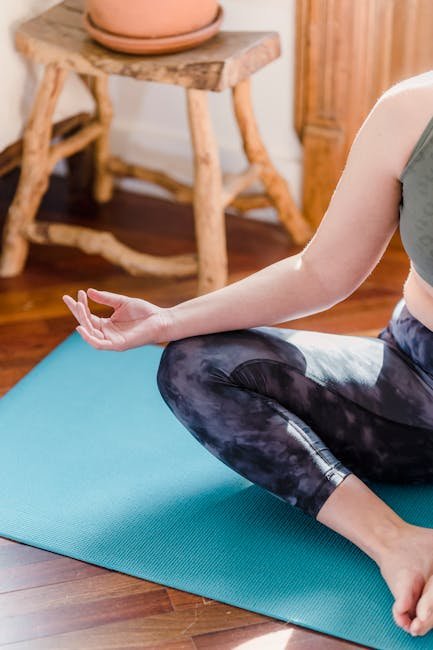
To begin, find a quiet and comfortable place where you can sit or lie down without being disturbed. Close your eyes gently or keep them softly focused on a point in front of you. Bring your attention to your breath, noticing the sensation of the air moving in and out of your body. As you breathe, you might find your mind wandering. When this happens, gently redirect your attention back to your breath, without criticizing yourself.
Thoughts, feelings, and sensations will inevitably arise during your meditation practice. Acknowledge them without judgment and let them pass like clouds in the sky. Avoid getting involved in the content of your thoughts. Instead, simply observe them as fleeting mental events.
Mindfulness meditation can be practiced in various forms. Body scan meditation involves bringing your attention to different parts of your body, noticing any sensations you experience. Walking meditation involves paying attention to the sensations of your feet as they make contact with the ground. Loving-kindness meditation involves cultivating feelings of compassion and kindness towards yourself and others.
Regular mindfulness meditation practice, even for just 10-15 minutes a day, can have profound benefits for stress reduction, emotional regulation, and overall well-being. It can help you develop a greater sense of self-awareness, reduce reactivity to stressors, and cultivate a more peaceful and balanced state of mind.
Guided Imagery: Harnessing the Power of Visualization
Guided imagery is a relaxation technique that uses your imagination to create peaceful and calming mental images. By vividly picturing serene environments, you can activate your parasympathetic nervous system and reduce stress hormones. It’s a powerful tool for shifting your focus away from stressful thoughts and emotions and towards a sense of calm and well-being.
To practice guided imagery, find a comfortable position and close your eyes. Imagine a place that feels safe, peaceful, and relaxing to you. This could be a beach, a forest, a mountain meadow, or any other setting that evokes feelings of tranquility. Engage all of your senses in the visualization. What do you see, hear, smell, taste, and feel in this place?
For example, if you’re visualizing a beach, you might imagine the sound of the waves crashing on the shore, the warmth of the sun on your skin, the smell of the salty air, and the sight of the turquoise water. Feel the sand between your toes and the gentle breeze on your face. Allow yourself to fully immerse yourself in this sensory experience.
You can use pre-recorded guided imagery scripts or create your own. Many apps and online resources offer a wide variety of guided meditations on different themes, such as relaxation, stress relief, and sleep improvement. When creating your own imagery, focus on details that evoke positive emotions and feelings of peace.
Guided imagery can be particularly helpful for managing anxiety, pain, and insomnia. It can also be used to enhance creativity, improve performance, and promote healing. Regular practice can help you develop a stronger connection to your inner resources and build resilience to stress.
Yoga and Tai Chi: Mind-Body Integration for Stress Relief
Yoga and Tai Chi are ancient practices that combine physical postures, breathing techniques, and mindfulness to promote physical and mental well-being. They are both excellent stress-reduction tools because they address the interconnectedness of the mind and body. By focusing on controlled movements and breath awareness, these practices can help calm the nervous system, release muscle tension, and improve overall emotional regulation.
Yoga involves a series of postures (asanas) that are designed to stretch, strengthen, and balance the body. Different styles of yoga exist, ranging from gentle and restorative to more vigorous and athletic. Hatha yoga is a general term that encompasses many basic yoga styles. Restorative yoga focuses on deep relaxation and uses props to support the body in comfortable positions. Vinyasa yoga involves flowing sequences of postures that are synchronized with the breath.
Tai Chi, often described as “meditation in motion,” is a gentle martial art that involves slow, flowing movements performed in a deliberate and focused manner. The emphasis on balance, coordination, and breath control promotes relaxation and reduces stress. Tai Chi is particularly beneficial for improving balance and reducing the risk of falls, especially in older adults.
Both yoga and Tai Chi can be adapted to suit different fitness levels and physical limitations. It’s important to find a qualified instructor who can guide you through the movements safely and effectively. Regular practice can lead to significant improvements in stress management, mood, sleep quality, and overall quality of life. They encourage mind-body awareness, helping practitioners become more attuned to physical sensations and emotional states, leading to quicker recognition of stress signals and more effective coping mechanisms.