
Understanding the Vital Role of Hydration
Water is the lifeblood of our bodies, comprising approximately 55% to 78% of our composition. It’s a fundamental element for countless physiological processes, including regulating body temperature, transporting nutrients, lubricating joints, and eliminating waste. Chronic dehydration can lead to a cascade of negative health effects, ranging from fatigue and headaches to more serious conditions like kidney stones and impaired cognitive function. Therefore, prioritizing adequate hydration is not merely a good habit; it’s an essential component of optimal health and well-being. Understanding why hydration is so critical lays the foundation for implementing effective hydration strategies.
Calculating Your Individual Hydration Needs
While the often-cited “eight glasses a day” rule provides a general guideline, individual hydration needs are far more nuanced and depend on various factors. These include activity level, climate, age, sex, and overall health. A more personalized approach involves considering your daily water loss through perspiration, respiration, and elimination.
A common starting point is to calculate half your body weight (in pounds) and drink that many ounces of water daily. For example, a 150-pound person would aim for 75 ounces of water. However, this is just a baseline. Athletes, individuals living in hot or humid climates, pregnant or breastfeeding women, and those with certain medical conditions may require significantly more fluid intake.
Beyond this simple calculation, monitoring your urine color is a valuable indicator. Pale yellow or clear urine generally signifies adequate hydration, while dark yellow or amber urine suggests dehydration. Consistent monitoring and adjustments to your fluid intake based on these factors are crucial for maintaining optimal hydration levels.
Hydration Beyond Plain Water: Exploring Alternative Fluids
While water is undoubtedly the gold standard for hydration, it’s not the only option. A variety of beverages and foods can contribute to your daily fluid intake and offer additional nutritional benefits.
- Herbal Teas: Unsweetened herbal teas, such as chamomile, peppermint, and hibiscus, are excellent hydrating choices. They are naturally caffeine-free and packed with antioxidants.
- Infused Water: Adding fruits, vegetables, and herbs to water can make it more palatable and encourage increased consumption. Popular combinations include cucumber and mint, lemon and ginger, and berries and citrus fruits.
- Coconut Water: A natural electrolyte drink, coconut water is a refreshing and hydrating option, particularly beneficial after intense exercise. It contains potassium, sodium, and magnesium, crucial electrolytes lost through sweat.
- Sports Drinks: While sports drinks can replenish electrolytes during prolonged or strenuous activity, they are often high in sugar and artificial ingredients. Choose them judiciously and opt for lower-sugar varieties.
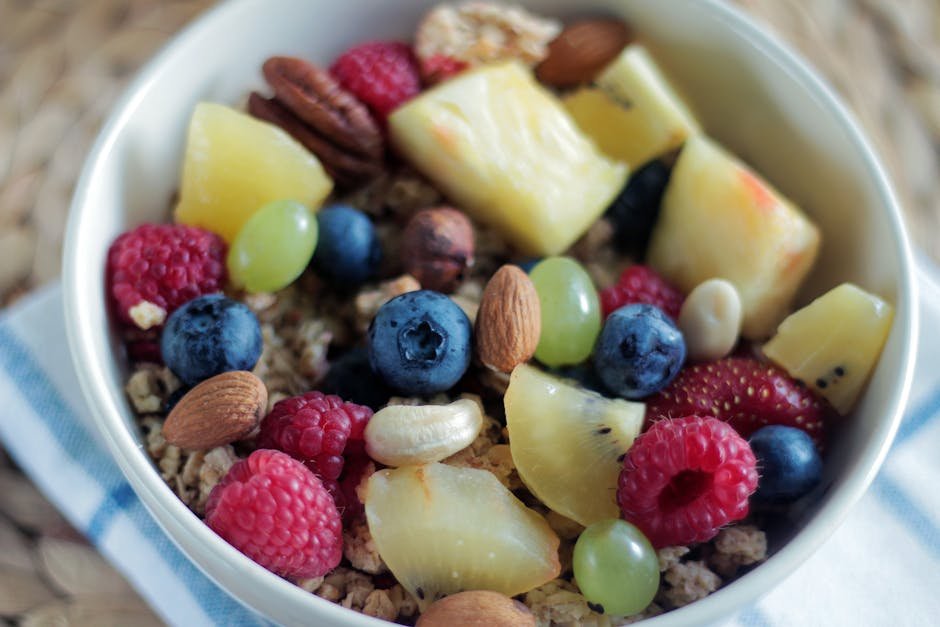
- Fruits and Vegetables: Many fruits and vegetables have high water content, contributing significantly to hydration. Watermelon, cucumbers, strawberries, spinach, and celery are excellent choices.
Be mindful of sugary drinks like soda and fruit juice, which can contribute to dehydration due to their diuretic effect and high sugar content. Limiting or avoiding these beverages is essential for maintaining optimal hydration.
Strategic Hydration Throughout the Day
Consistent hydration is key to maintaining optimal health. Spreading your fluid intake throughout the day, rather than chugging large amounts at once, allows your body to absorb and utilize the fluids more effectively.
- Start Your Day with Water: Drink a glass of water first thing in the morning to rehydrate after sleep and kickstart your metabolism.
- Hydrate Before, During, and After Exercise: Pre-hydrate with water or a sports drink before exercise, sip water consistently during your workout, and replenish fluids afterward to replace those lost through sweat.
- Carry a Water Bottle: Keep a reusable water bottle with you throughout the day to encourage frequent sipping.
- Set Reminders: Use phone reminders or apps to prompt you to drink water at regular intervals.
- Pair Water with Meals: Drink water before, during, and after meals to aid digestion and increase overall fluid intake.
- Listen to Your Body: Pay attention to thirst cues and drink when you feel thirsty. However, don’t wait until you’re parched to hydrate, as this indicates you’re already dehydrated.
Hydration and Exercise: Optimizing Performance
Hydration plays a crucial role in athletic performance. Dehydration can lead to decreased endurance, increased fatigue, muscle cramps, and impaired cognitive function, all of which can negatively impact performance.
- Pre-Workout Hydration: Aim to drink 16-20 ounces of water 2-3 hours before exercise.
- During-Workout Hydration: Drink 3-8 ounces of water every 15-20 minutes during exercise, especially during prolonged or intense activity. Consider electrolyte drinks for workouts exceeding one hour.
- Post-Workout Hydration: Replenish fluids lost through sweat by drinking 16-24 ounces of water or a sports drink for every pound of weight lost during exercise.
- Acclimatization: If exercising in hot or humid conditions, gradually acclimatize your body to the environment and increase your fluid intake accordingly.
- Electrolyte Balance: Replenish electrolytes lost through sweat, such as sodium, potassium, and magnesium, by consuming electrolyte-rich drinks or foods.
Recognizing and Addressing Dehydration Symptoms
Early recognition of dehydration symptoms is crucial for prompt intervention and preventing more severe health complications. Common symptoms include:
- Thirst: While thirst is a primary indicator, it’s not always reliable, especially in older adults.
- Dark Urine: As mentioned earlier, dark yellow or amber urine signifies dehydration.
- Headache: Dehydration can trigger headaches due to reduced blood flow to the brain.
- Fatigue: Lack of fluids can lead to fatigue and decreased energy levels.
- Dizziness: Dehydration can cause dizziness due to low blood pressure.
- Dry Mouth and Skin: These are classic signs of dehydration.
- Muscle Cramps: Dehydration can contribute to muscle cramps, especially during exercise.
- Constipation: Lack of fluids can lead to constipation.
If you experience any of these symptoms, increase your fluid intake immediately. For severe dehydration, seek medical attention. Oral rehydration solutions containing electrolytes can be particularly helpful in replenishing fluids and restoring electrolyte balance.
Hydration Considerations for Specific Populations
Hydration needs vary across different populations.
- Children: Children are more susceptible to dehydration than adults due to their higher metabolic rate and smaller body size. Encourage them to drink water frequently, especially during physical activity.
- Older Adults: Older adults may experience a decreased sense of thirst and reduced kidney function, making them more vulnerable to dehydration. Remind them to drink water regularly and monitor their urine color.
- Pregnant and Breastfeeding Women: Pregnant and breastfeeding women require increased fluid intake to support fetal development and milk production. Aim for at least 10-12 glasses of water per day.
- Individuals with Medical Conditions: Certain medical conditions, such as diabetes, kidney disease, and heart failure, can affect fluid balance. Consult with your doctor to determine your specific hydration needs.
Debunking Common Hydration Myths
Several misconceptions surround hydration.
- Myth: You should only drink when you’re thirsty. Fact: Thirst is not always a reliable indicator of hydration, especially in certain populations. Drink water regularly throughout the day, even if you’re not thirsty.
- Myth: All drinks are equally hydrating. Fact: Sugary drinks like soda and fruit juice can contribute to dehydration. Water, herbal teas, and infused water are better choices.
- Myth: You need to drink a gallon of water a day. Fact: Individual hydration needs vary. Calculate your needs based on factors like activity level, climate, and health status.
- Myth: Coffee and tea are dehydrating. Fact: While caffeine has a mild diuretic effect, moderate consumption of coffee and tea can still contribute to your daily fluid intake.
By understanding these myths and adopting evidence-based hydration strategies, you can optimize your health and well-being.