
How to Maintain a Healthy Gut Microbiome: A Comprehensive Guide
The gut microbiome, a complex ecosystem teeming with trillions of bacteria, fungi, viruses, and other microorganisms residing in your digestive tract, plays a pivotal role in overall health. A balanced and diverse gut microbiome is crucial for digestion, nutrient absorption, immune function, mental health, and even weight management. Disruptions in this delicate balance, known as dysbiosis, can lead to various health problems. Understanding how to cultivate and maintain a healthy gut microbiome is, therefore, paramount.
1. Embrace a Diverse and Fiber-Rich Diet:
Diet is arguably the most significant factor influencing the composition and activity of your gut microbiome. A diverse diet, rich in a variety of plant-based foods, provides a wide range of prebiotic fibers that act as fuel for beneficial gut bacteria.
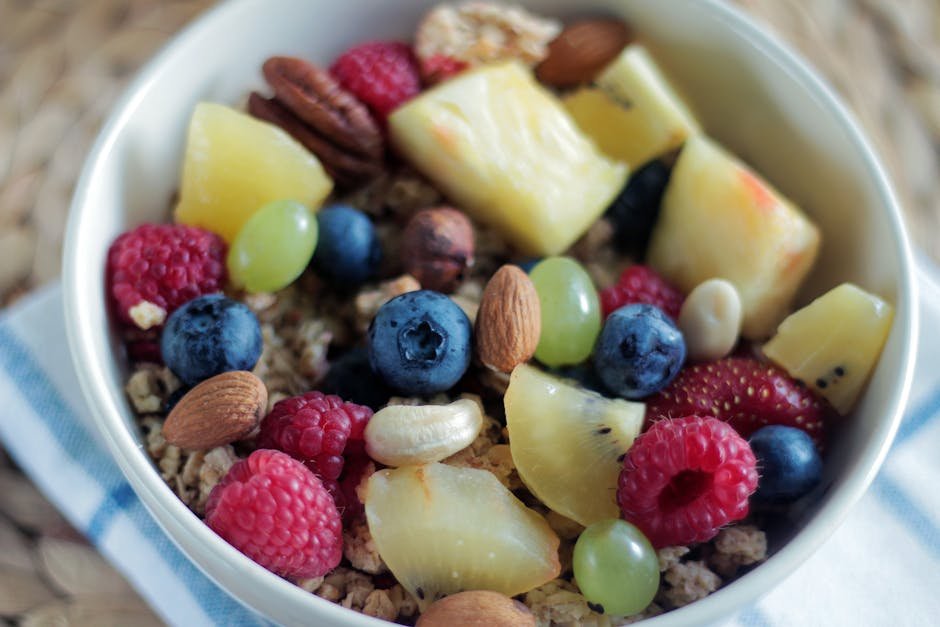
- Focus on Fruits and Vegetables: Aim for a rainbow of colors in your diet, incorporating different types of fruits and vegetables. Each color often represents different phytonutrients and fiber profiles that feed specific types of bacteria. Examples include leafy greens (spinach, kale), berries (blueberries, raspberries), cruciferous vegetables (broccoli, cauliflower), root vegetables (carrots, sweet potatoes), and fruits like apples, bananas, and pears.
- Whole Grains Over Refined Grains: Choose whole grains like oats, quinoa, brown rice, and barley over refined grains like white bread and white rice. Whole grains contain more fiber, which reaches the colon undigested, providing nourishment for gut bacteria.
- Legumes are Your Friends: Legumes such as beans, lentils, and chickpeas are excellent sources of soluble fiber and resistant starch, both of which are highly beneficial for gut bacteria. They promote the growth of butyrate-producing bacteria, which are associated with reduced inflammation and improved gut health.
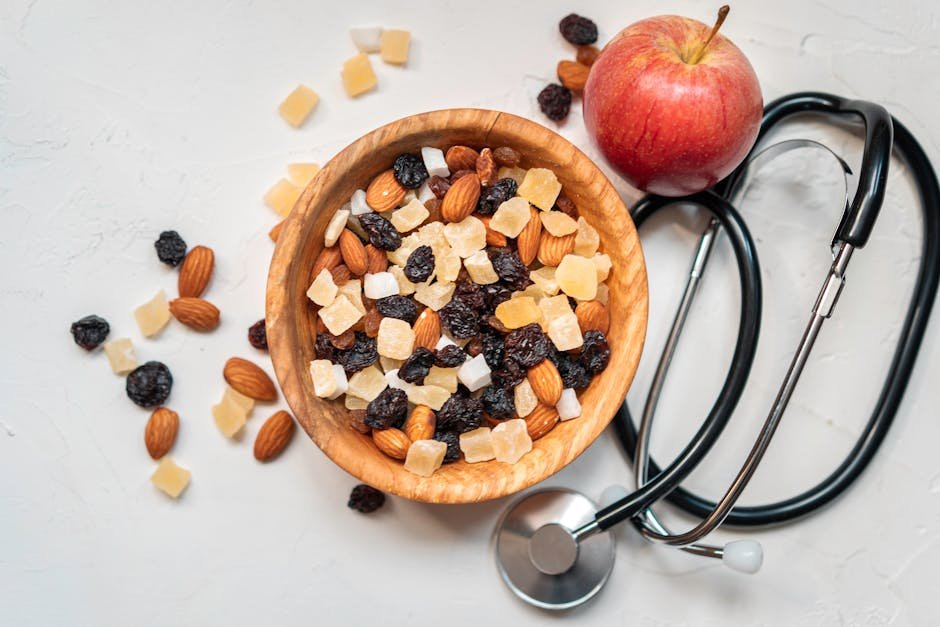
- Nuts and Seeds for Healthy Fats and Fiber: Incorporate nuts and seeds like almonds, walnuts, flaxseeds, and chia seeds into your diet. They offer a combination of healthy fats, fiber, and prebiotics that support a healthy gut microbiome.
- Resistant Starch: The Underappreciated Hero: Resistant starch, found in foods like cooked and cooled potatoes, green bananas, and cooked and cooled rice, resists digestion in the small intestine and ferments in the colon, feeding beneficial bacteria. Experiment with recipes that utilize these foods.
- Gradual Increase is Key: It’s important to increase your fiber intake gradually to avoid digestive discomfort such as bloating and gas. Start by adding small amounts of fiber-rich foods to your diet and gradually increase the portion sizes over time. Adequate hydration is also crucial to aid fiber digestion.
2. Incorporate Fermented Foods:
Fermented foods are rich in probiotics, live microorganisms that can directly colonize the gut and contribute to a more diverse and balanced microbiome.
- Yogurt with Live and Active Cultures: Choose yogurt that explicitly states it contains “live and active cultures.” Look for strains like Lactobacillus and Bifidobacterium, which are known to be beneficial for gut health. Opt for plain, unsweetened yogurt to avoid added sugars.
- Kefir: A Probiotic Powerhouse: Kefir is a fermented milk drink that contains a wider variety of probiotic strains than yogurt. It’s also often better tolerated by individuals with lactose intolerance.
- Sauerkraut and Kimchi: Fermented Cabbage Delights: These fermented cabbage dishes are packed with probiotics and fiber. Look for unpasteurized versions to ensure the beneficial bacteria are still alive.
- Kombucha: Fermented Tea with a Kick: Kombucha is a fermented tea drink that contains probiotics and antioxidants. Be mindful of the sugar content and choose brands with lower sugar levels.
- Miso and Tempeh: Fermented Soy Products: Miso and tempeh are fermented soy products that offer a good source of protein, fiber, and probiotics.
- Homemade Fermentation: Consider exploring the world of homemade fermentation. It’s a rewarding way to control the ingredients and probiotic strains in your fermented foods.
- Start Slowly: Introduce fermented foods gradually to allow your gut microbiome to adjust. Some individuals may experience temporary bloating or gas when they first start consuming fermented foods.
3. Limit Processed Foods, Sugar, and Artificial Sweeteners:
Processed foods, sugary drinks, and artificial sweeteners can negatively impact the gut microbiome, promoting the growth of harmful bacteria and contributing to inflammation.
- Minimize Processed Foods: Processed foods are often high in sugar, unhealthy fats, and artificial additives, which can disrupt the gut microbiome. Focus on whole, unprocessed foods instead.
- Reduce Sugar Intake: Excessive sugar intake can feed harmful bacteria and yeast in the gut, leading to dysbiosis. Limit sugary drinks, desserts, and processed foods high in added sugar.
- Be Cautious with Artificial Sweeteners: Some studies suggest that artificial sweeteners can negatively impact the gut microbiome by altering the composition and function of gut bacteria. Opt for natural sweeteners like stevia or monk fruit in moderation.
- Limit Red Meat: High consumption of red meat has been linked to alterations in the gut microbiome and increased risk of certain health conditions. Consider incorporating more plant-based protein sources into your diet.
- Avoid Excessive Alcohol Consumption: Excessive alcohol consumption can negatively impact the gut microbiome and contribute to inflammation. Moderate alcohol consumption is generally considered to be one drink per day for women and two drinks per day for men.
4. Consider Probiotic Supplements:
While a diverse diet and fermented foods are the primary sources of probiotics, probiotic supplements can be a helpful addition, especially when addressing specific gut health concerns.
- Choose Wisely: Not all probiotic supplements are created equal. Look for supplements that contain multiple strains of beneficial bacteria, such as Lactobacillus and Bifidobacterium. Consider the CFU (colony-forming units) count, which indicates the number of live bacteria per dose.
- Strain Specificity: Different probiotic strains have different effects. Research specific strains that are known to address your specific health concerns, such as digestive issues, immune support, or mood enhancement.
- Consult a Healthcare Professional: It’s always best to consult with a doctor or registered dietitian before starting a probiotic supplement, especially if you have underlying health conditions.
- Timing Matters: Take probiotic supplements on an empty stomach or with a meal containing healthy fats to improve absorption.
- Storage is Key: Store probiotic supplements according to the manufacturer’s instructions. Some supplements require refrigeration to maintain their potency.
- Consider Prebiotics: Combining probiotic supplements with prebiotic-rich foods can enhance their effectiveness.
5. Manage Stress Levels:
Stress can significantly impact the gut microbiome, altering its composition and function. Chronic stress can lead to increased inflammation and decreased diversity of gut bacteria.
- Practice Stress-Reducing Techniques: Incorporate stress-reducing techniques into your daily routine, such as meditation, yoga, deep breathing exercises, or spending time in nature.
- Prioritize Sleep: Aim for 7-8 hours of quality sleep per night. Sleep deprivation can disrupt the gut microbiome and increase inflammation.
- Engage in Regular Exercise: Regular physical activity can help reduce stress and improve gut health.
- Connect with Others: Social connections and strong relationships can buffer against stress.
- Mindfulness Practices: Practice mindfulness techniques, such as paying attention to the present moment without judgment, to reduce stress and improve well-being.
6. Avoid Unnecessary Antibiotics:
Antibiotics can kill both harmful and beneficial bacteria in the gut, disrupting the delicate balance of the microbiome.
- Use Antibiotics Judiciously: Only take antibiotics when prescribed by a doctor for a bacterial infection. Avoid using antibiotics for viral infections, such as the common cold or flu.
- Complete the Full Course: If you are prescribed antibiotics, complete the full course of treatment, even if you start feeling better.
- Consider Probiotics After Antibiotics: After completing a course of antibiotics, consider taking a probiotic supplement to help replenish beneficial gut bacteria.
7. Stay Hydrated:
Adequate hydration is essential for overall health and gut function. Water helps to move food through the digestive tract and supports the growth of beneficial gut bacteria.
- Drink Plenty of Water: Aim to drink at least 8 glasses of water per day.
- Include Hydrating Foods: Incorporate hydrating foods like fruits and vegetables into your diet.
- Avoid Sugary Drinks: Limit sugary drinks, such as soda and juice, which can dehydrate you and negatively impact the gut microbiome.
8. Get Enough Sleep:
Sleep deprivation can disrupt the gut microbiome and increase inflammation. Aim for 7-8 hours of quality sleep per night to support a healthy gut.
- Establish a Regular Sleep Schedule: Go to bed and wake up at the same time each day, even on weekends, to regulate your body’s natural sleep-wake cycle.
- Create a Relaxing Bedtime Routine: Wind down before bed with relaxing activities, such as reading, taking a bath, or listening to calming music.
- Optimize Your Sleep Environment: Make sure your bedroom is dark, quiet, and cool to promote restful sleep.
9. Consider Prebiotics:
Prebiotics are non-digestible fibers that act as food for beneficial gut bacteria, promoting their growth and activity.
- Include Prebiotic-Rich Foods: Incorporate prebiotic-rich foods into your diet, such as garlic, onions, asparagus, bananas, oats, and apples.
- Prebiotic Supplements: Consider taking a prebiotic supplement if you are not getting enough prebiotics from your diet. Inulin, FOS (fructooligosaccharides), and GOS (galactooligosaccharides) are common types of prebiotic supplements.
10. Embrace Exercise:
Regular physical activity can have a positive impact on the gut microbiome, increasing its diversity and promoting the growth of beneficial bacteria.
- Aim for Moderate-Intensity Exercise: Engage in at least 30 minutes of moderate-intensity exercise most days of the week.
- Find Activities You Enjoy: Choose activities you enjoy to make exercise more sustainable.
- Consistency is Key: Consistency is more important than intensity. Even small amounts of regular exercise can benefit your gut health.
By incorporating these strategies into your lifestyle, you can cultivate a healthy and thriving gut microbiome, supporting overall health and well-being. Remember that consistency and a holistic approach are key to long-term gut health.