
Understanding Anxiety: More Than Just Feeling Stressed
Anxiety, a natural human emotion, becomes problematic when it’s persistent, excessive, and interferes with daily life. It’s vital to differentiate between everyday stress and a diagnosable anxiety disorder. While stress is typically triggered by a specific event, anxiety can be pervasive and seemingly without clear cause. This distinction is crucial for identifying the appropriate course of action. Understanding the biological underpinnings of anxiety is also beneficial. When faced with perceived danger, the amygdala, the brain’s fear center, activates the “fight-or-flight” response. This triggers the release of stress hormones like cortisol and adrenaline, leading to physical symptoms such as a racing heart, rapid breathing, and muscle tension. Chronic anxiety keeps this system in a heightened state, leading to wear and tear on the body. Furthermore, neurotransmitter imbalances, particularly serotonin, GABA, and norepinephrine, are implicated in the development of anxiety disorders. Genetic predisposition and environmental factors, such as childhood trauma or stressful life events, can also contribute. Recognizing the complex interplay of these factors provides a more nuanced understanding of anxiety and paves the way for targeted natural interventions.
The Power of Breathing Techniques: Your On-the-Go Calming Tool
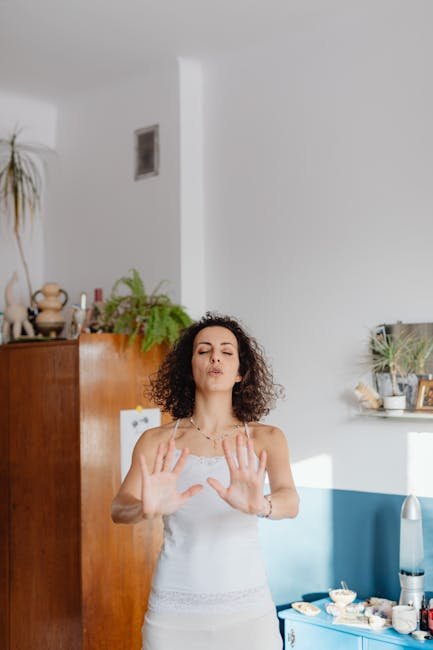
Breathwork is a readily accessible and powerful tool for managing anxiety symptoms. Diaphragmatic breathing, also known as belly breathing, is particularly effective. It involves consciously engaging the diaphragm, a large muscle at the base of the lungs, to draw air deep into the abdomen. This activates the parasympathetic nervous system, which promotes relaxation and counteracts the “fight-or-flight” response. To practice diaphragmatic breathing, lie down or sit comfortably. Place one hand on your chest and the other on your abdomen. Inhale slowly through your nose, allowing your abdomen to rise while keeping your chest relatively still. Exhale slowly through your mouth, gently contracting your abdominal muscles. Repeat this for several minutes, focusing on the sensation of the breath. Another effective technique is the 4-7-8 breathing method. Inhale deeply through your nose for a count of four, hold your breath for a count of seven, and exhale slowly through your mouth for a count of eight. This technique is particularly helpful for calming the nervous system and promoting sleep. Box breathing, also known as square breathing, involves inhaling for a count of four, holding for a count of four, exhaling for a count of four, and holding again for a count of four. This technique helps to regulate breathing and reduce racing thoughts. Regular practice of these breathing techniques can significantly reduce anxiety symptoms and improve overall well-being.
Mindfulness and Meditation: Cultivating Present Moment Awareness
Mindfulness and meditation are practices that involve focusing attention on the present moment without judgment. This can help to reduce anxiety by interrupting the cycle of negative thoughts and worries that often fuel anxiety. Mindfulness can be incorporated into everyday activities, such as eating, walking, or washing dishes. The key is to pay attention to the sensory details of the experience, such as the taste of food, the feeling of the ground beneath your feet, or the sensation of water on your skin. Meditation involves sitting or lying comfortably and focusing on a specific object, such as the breath, a mantra, or a body scan. When thoughts arise, gently redirect your attention back to the object of focus. There are many different types of meditation, including guided meditation, loving-kindness meditation, and transcendental meditation. Experiment with different types to find one that resonates with you. Regular practice of mindfulness and meditation can lead to significant reductions in anxiety, improved focus, and a greater sense of well-being. Studies have shown that mindfulness-based stress reduction (MBSR) is particularly effective for managing anxiety disorders.
Dietary Strategies: Nourishing Your Brain and Body for Calm
Diet plays a crucial role in managing anxiety. Certain foods can exacerbate anxiety symptoms, while others can promote relaxation and improve mood. Limiting or eliminating processed foods, sugary drinks, and excessive caffeine intake is essential. These substances can cause blood sugar fluctuations and stimulate the nervous system, leading to increased anxiety. Focusing on a whole-foods diet rich in fruits, vegetables, whole grains, and lean protein is beneficial. Specific nutrients that are particularly important for anxiety management include magnesium, omega-3 fatty acids, and B vitamins. Magnesium helps to regulate the nervous system and promote relaxation. Foods rich in magnesium include leafy green vegetables, nuts, seeds, and whole grains. Omega-3 fatty acids, found in fatty fish, flaxseeds, and walnuts, have anti-inflammatory properties and can improve brain function. B vitamins are essential for nerve function and neurotransmitter production. Foods rich in B vitamins include whole grains, eggs, and leafy green vegetables. Including probiotic-rich foods, such as yogurt, kefir, and sauerkraut, can also be beneficial. Probiotics support gut health, which is increasingly recognized as playing a significant role in mental health. Finally, staying hydrated is crucial. Dehydration can lead to fatigue and irritability, which can worsen anxiety symptoms.
Herbal Remedies: Harnessing Nature’s Calming Power
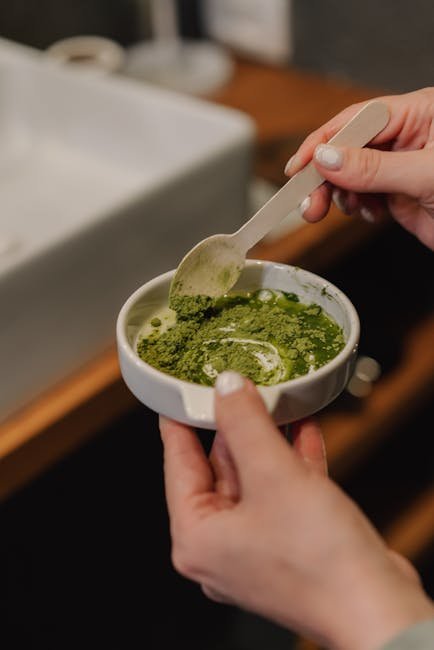
Several herbal remedies have been shown to be effective in reducing anxiety symptoms. However, it’s essential to consult with a healthcare professional before using herbal remedies, as they can interact with medications or have side effects. Lavender is known for its calming and relaxing properties. It can be used in aromatherapy, consumed as a tea, or taken as a supplement. Chamomile is another popular herbal remedy for anxiety. It has a mild sedative effect and can help to promote relaxation and sleep. Passionflower is a powerful herb that has been shown to reduce anxiety symptoms and improve sleep quality. Valerian root is also a well-known herbal remedy for anxiety and insomnia. It has a strong sedative effect and should be used with caution. Lemon balm is a gentle herb that can help to reduce anxiety and improve mood. Ashwagandha is an adaptogenic herb that helps the body to cope with stress. It has been shown to reduce anxiety, improve sleep, and boost energy levels. Kava is a potent herb that has been traditionally used in the South Pacific for its calming and relaxing properties. However, it can have serious side effects and should be used with caution and under the supervision of a healthcare professional.
Physical Activity: Moving Your Body to Quiet Your Mind
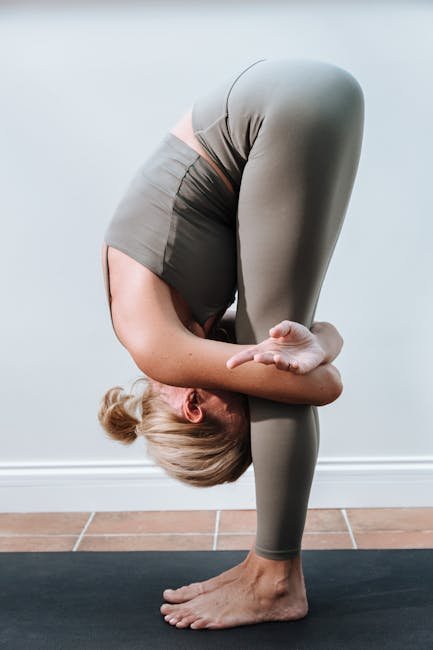
Regular physical activity is a powerful tool for managing anxiety. Exercise releases endorphins, which have mood-boosting effects. It also helps to reduce stress hormones and improve sleep quality. Aerobic exercise, such as running, swimming, or cycling, is particularly effective for reducing anxiety. Aim for at least 30 minutes of moderate-intensity aerobic exercise most days of the week. Strength training can also be beneficial, as it helps to build muscle and improve overall physical and mental health. Yoga and tai chi are gentle forms of exercise that combine physical postures with breathing techniques and meditation. These practices can help to reduce anxiety, improve flexibility, and promote relaxation. Even short bursts of physical activity, such as taking a brisk walk during a break, can have a positive impact on anxiety levels. Find an activity that you enjoy and that fits into your lifestyle. The key is to be consistent with your exercise routine to reap the long-term benefits for anxiety management.
Sleep Hygiene: Prioritizing Rest for Mental Well-being
Sufficient sleep is essential for managing anxiety. Lack of sleep can exacerbate anxiety symptoms, while adequate sleep can help to improve mood and cognitive function. Aim for at least 7-8 hours of quality sleep each night. Establishing a regular sleep schedule, going to bed and waking up at the same time each day, can help to regulate your body’s natural sleep-wake cycle. Create a relaxing bedtime routine, such as taking a warm bath, reading a book, or listening to calming music. Avoid screen time before bed, as the blue light emitted from electronic devices can interfere with sleep. Make sure your bedroom is dark, quiet, and cool. Consider using a white noise machine or earplugs to block out distracting sounds. Avoid caffeine and alcohol before bed, as these substances can disrupt sleep. If you have difficulty falling asleep, try practicing relaxation techniques, such as deep breathing or meditation. If you have chronic sleep problems, consult with a healthcare professional.
Social Support: Connecting with Others for Strength
Social support is a vital component of anxiety management. Connecting with others can provide a sense of belonging, reduce feelings of isolation, and offer emotional support. Talk to friends, family members, or a therapist about your anxiety. Sharing your experiences can help you to feel less alone and can provide valuable insights and support. Join a support group for people with anxiety. Connecting with others who understand what you’re going through can be incredibly helpful. Volunteer your time to help others. Focusing on someone else’s needs can take your mind off your own worries and can provide a sense of purpose and accomplishment. Participate in social activities, such as joining a club or attending community events. Engaging in social activities can help you to build relationships and reduce feelings of isolation. Remember that seeking help is a sign of strength, not weakness.
Professional Guidance: When to Seek Expert Help
While natural strategies can be highly effective for managing anxiety, it’s important to recognize when professional help is needed. If your anxiety is severe, persistent, and interfering with your daily life, it’s essential to consult with a mental health professional. A therapist can provide cognitive-behavioral therapy (CBT), which is a proven treatment for anxiety disorders. CBT helps you to identify and change negative thought patterns and behaviors that contribute to anxiety. A psychiatrist can prescribe medication to help manage anxiety symptoms. Medication can be particularly helpful for people with severe anxiety or panic disorder. Don’t hesitate to seek professional help if you’re struggling with anxiety. Early intervention can improve your quality of life and prevent anxiety from becoming chronic.