
How to Increase Protein Intake Naturally: A Comprehensive Guide
Protein, a cornerstone of a healthy diet, plays a vital role in countless bodily functions. From building and repairing tissues to supporting hormone production and enzyme function, protein is essential for optimal health. While protein supplements are readily available, focusing on naturally increasing your intake through whole foods offers numerous benefits, including a wider range of nutrients, improved satiety, and enhanced gut health. This article provides a comprehensive guide on how to strategically increase your protein intake naturally, incorporating practical tips, food recommendations, and meal planning strategies.
Understanding Your Protein Needs:
Before embarking on a protein-boosting journey, it’s crucial to understand your individual protein requirements. These needs vary based on several factors, including:
- Activity Level: Sedentary individuals require less protein than athletes or those engaged in regular physical activity.
- Body Weight: A general recommendation is 0.8 grams of protein per kilogram of body weight for sedentary individuals. However, this number can increase to 1.2-2.0 grams per kilogram for athletes or those seeking to build muscle.
- Age: Older adults may require slightly higher protein intake to maintain muscle mass and bone density.
- Health Conditions: Certain health conditions, such as kidney disease, may require adjusted protein intake. Consult with a healthcare professional or registered dietitian for personalized recommendations.
- Goals: If your goal is weight loss, increasing protein intake can help promote satiety and preserve muscle mass during calorie restriction. For muscle gain, a higher protein intake combined with resistance training is necessary.
Strategic Food Choices: Prioritizing Protein-Rich Foods:
The foundation of increasing protein intake naturally lies in incorporating protein-rich foods into your daily diet. Here are some excellent sources to consider:
- Lean Meats: Chicken breast, turkey breast, lean beef (sirloin, flank), and pork tenderloin are excellent sources of complete protein, meaning they contain all nine essential amino acids. Opt for lean cuts and prepare them using healthy cooking methods like grilling, baking, or poaching.
- Seafood: Fish like salmon, tuna, cod, and shrimp are packed with protein and also provide beneficial omega-3 fatty acids. Aim for at least two servings of fatty fish per week.
- Eggs: A versatile and affordable protein source, eggs offer a complete protein profile and are rich in essential nutrients. Incorporate them into breakfast, lunch, or dinner.
- Dairy Products: Greek yogurt, cottage cheese, milk, and cheese are good sources of protein and calcium. Choose low-fat or non-fat options to reduce saturated fat intake.
- Legumes: Beans (black beans, kidney beans, chickpeas), lentils, and peas are excellent plant-based protein sources and are also rich in fiber. Combine them with grains for a complete protein profile.
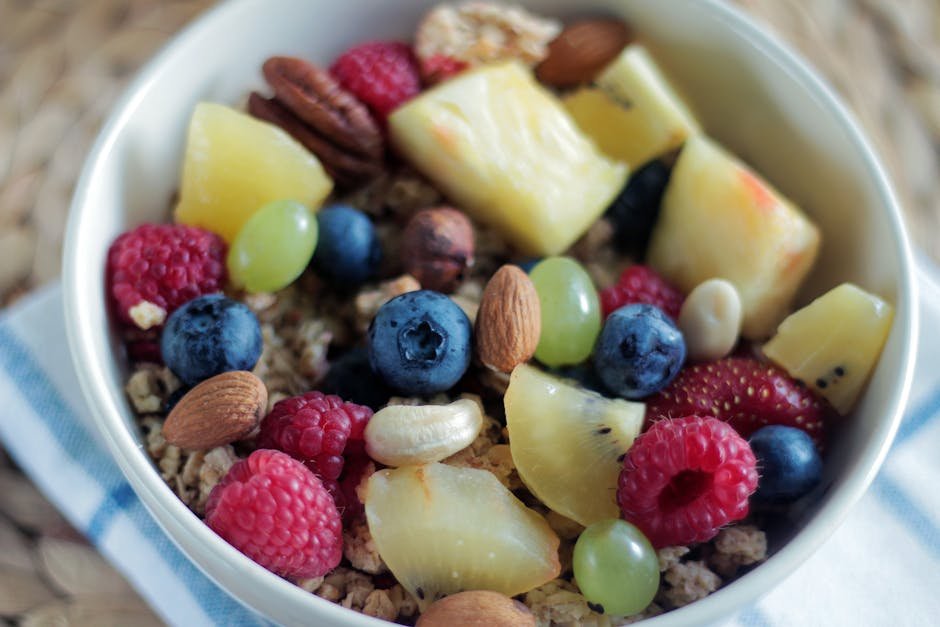
- Nuts and Seeds: Almonds, walnuts, chia seeds, flax seeds, and pumpkin seeds provide protein, healthy fats, and fiber. Consume them in moderation as they are calorie-dense.
- Soy Products: Tofu, tempeh, and edamame are complete protein sources derived from soybeans. They are versatile and can be incorporated into a variety of dishes.
- Quinoa: While technically a seed, quinoa is often considered a grain and is a complete protein source. It’s also a good source of fiber and iron.
Practical Strategies for Boosting Protein Intake:
Beyond simply knowing which foods are protein-rich, integrating them into your daily meals and snacks requires a strategic approach. Consider these practical tips:
- Start Your Day with Protein: Incorporate eggs, Greek yogurt, or a protein smoothie into your breakfast to jumpstart your protein intake for the day.
- Protein at Every Meal: Aim to include a protein source in every meal, even snacks. This ensures a consistent supply of amino acids throughout the day.
- Snack Strategically: Instead of reaching for sugary or processed snacks, opt for protein-rich alternatives like hard-boiled eggs, a handful of nuts, or Greek yogurt.
- Enhance Meals with Protein Boosters: Add chickpeas to salads, sprinkle seeds on yogurt, or incorporate shredded chicken into soups.
- Plan Your Meals in Advance: Meal planning allows you to prioritize protein sources and ensure you’re meeting your daily protein goals.
- Utilize Protein-Rich Sides: Swap carb-heavy sides like white rice for quinoa or lentils to increase the overall protein content of your meals.
- Cook in Bulk: Prepare protein sources in bulk, such as grilled chicken or hard-boiled eggs, for easy access throughout the week.
- Read Food Labels Carefully: Pay attention to the protein content of packaged foods and choose options with a higher protein-to-calorie ratio.
- Stay Hydrated: Adequate hydration is essential for protein digestion and absorption. Drink plenty of water throughout the day.
- Combine Incomplete Proteins: If relying on plant-based protein sources, combine different foods like beans and rice or lentils and whole wheat bread to ensure you’re getting all essential amino acids.
Sample Meal Plan for Increasing Protein Intake:
This sample meal plan provides a framework for incorporating more protein into your daily diet. Adjust portion sizes and food choices to meet your individual needs and preferences.
- Breakfast: Greek yogurt with berries and a sprinkle of nuts (25-30g protein)
- Mid-Morning Snack: Hard-boiled egg and a handful of almonds (10-15g protein)
- Lunch: Grilled chicken salad with mixed greens, vegetables, and chickpeas (30-35g protein)
- Afternoon Snack: Cottage cheese with sliced peaches (20-25g protein)
- Dinner: Salmon with roasted vegetables and quinoa (35-40g protein)
Addressing Potential Concerns:
While increasing protein intake is generally beneficial, it’s important to address potential concerns:
- Kidney Health: Individuals with pre-existing kidney conditions should consult with their doctor before significantly increasing protein intake.
- Digestive Issues: Rapidly increasing protein intake can sometimes lead to digestive discomfort. Gradually increase your intake and ensure you’re consuming enough fiber and water.
- Saturated Fat Intake: Be mindful of saturated fat content when choosing protein sources, particularly red meat and full-fat dairy products. Opt for leaner options and prepare foods using healthy cooking methods.
Monitoring Progress and Making Adjustments:
It’s essential to monitor your progress and make adjustments to your diet as needed. Track your protein intake for a few days to get a baseline understanding of your current consumption. Pay attention to how you feel and adjust your intake based on your goals and overall health. Consider consulting with a registered dietitian for personalized guidance and support. By consistently implementing these strategies, you can effectively increase your protein intake naturally and reap the numerous health benefits associated with a protein-rich diet.