
Top Superfoods for Daily Nutrition: Fueling Your Body from the Inside Out
1. Leafy Greens: The Foundation of a Healthy Diet
Leafy green vegetables, such as spinach, kale, collard greens, and romaine lettuce, are nutritional powerhouses. Packed with vitamins, minerals, and antioxidants, they offer a broad spectrum of health benefits.
- Nutritional Profile: They are excellent sources of vitamins A, C, K, and folate. They also contain minerals like calcium, magnesium, and potassium. Additionally, they are rich in fiber, promoting digestive health and satiety.
- Health Benefits: Leafy greens are known for their antioxidant properties, which help protect cells from damage caused by free radicals. Vitamin K is crucial for blood clotting and bone health. The high fiber content supports healthy cholesterol levels and blood sugar control. Studies have linked leafy green consumption to a reduced risk of chronic diseases like heart disease, type 2 diabetes, and certain cancers.
- Incorporation: Easily add leafy greens to your diet. Spinach and kale can be blended into smoothies, sautéed as a side dish, or added to soups and stews. Romaine lettuce makes a great base for salads, while collard greens can be steamed or braised.
- Tips: Choose organic varieties whenever possible to minimize pesticide exposure. If the taste is initially overwhelming, start by mixing small amounts with other vegetables or fruits.
2. Berries: Nature’s Sweet and Nutritious Treats
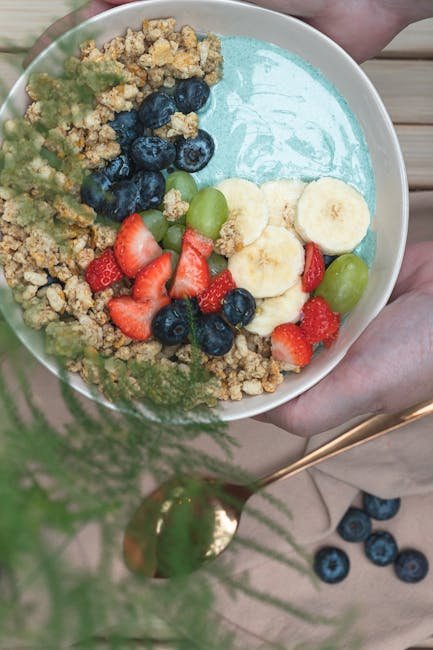
Berries, including blueberries, strawberries, raspberries, and blackberries, are small but mighty sources of antioxidants and vitamins. Their vibrant colors indicate a wealth of beneficial compounds.
- Nutritional Profile: Berries are rich in vitamins C and K, as well as manganese and fiber. They are particularly noted for their high antioxidant content, especially anthocyanins, which give them their characteristic colors.
- Health Benefits: The antioxidants in berries help protect against oxidative stress and inflammation, contributing to overall health and reducing the risk of chronic diseases. Studies suggest that blueberries may improve cognitive function and memory. Strawberries are known for their heart-healthy properties. Raspberries are a good source of fiber, promoting digestive regularity.
- Incorporation: Berries are incredibly versatile. Enjoy them fresh as a snack, add them to yogurt or oatmeal, blend them into smoothies, or use them as a topping for pancakes or waffles. Frozen berries are a convenient and affordable option.
- Tips: Look for plump, brightly colored berries when purchasing fresh ones. Store them in the refrigerator and wash them just before eating to prevent spoilage.
3. Fatty Fish: Essential Omega-3 Fatty Acids
Fatty fish, such as salmon, tuna, mackerel, and sardines, are excellent sources of omega-3 fatty acids, which are essential for brain health, heart health, and overall well-being.
- Nutritional Profile: Fatty fish are rich in omega-3 fatty acids, particularly EPA and DHA. They are also a good source of protein, vitamin D, and selenium.
- Health Benefits: Omega-3 fatty acids are known for their anti-inflammatory properties. They play a crucial role in brain function, reducing the risk of cognitive decline and improving mood. They also support heart health by lowering triglyceride levels and reducing blood pressure. Vitamin D is essential for bone health and immune function.
- Incorporation: Aim to consume fatty fish at least twice a week. Grill, bake, or pan-fry salmon or tuna. Add sardines to salads or pasta dishes. Choose sustainably sourced options whenever possible.
- Tips: If you don’t like the taste of fish, consider taking a high-quality omega-3 supplement. Pregnant women and nursing mothers should consult with their doctor about safe levels of fish consumption.
4. Nuts and Seeds: Healthy Fats and Plant-Based Protein
Nuts and seeds, including almonds, walnuts, chia seeds, and flaxseeds, are packed with healthy fats, protein, fiber, and essential nutrients. They provide sustained energy and promote overall health.
- Nutritional Profile: Nuts and seeds are rich in monounsaturated and polyunsaturated fats, which are beneficial for heart health. They also contain protein, fiber, vitamins, and minerals. Almonds are a good source of vitamin E and magnesium. Walnuts are high in omega-3 fatty acids. Chia seeds and flaxseeds are excellent sources of fiber and ALA, a type of omega-3 fatty acid.
- Health Benefits: Nuts and seeds can help lower cholesterol levels and reduce the risk of heart disease. The fiber content promotes digestive health and helps regulate blood sugar levels. The healthy fats provide sustained energy and support brain function.
- Incorporation: Enjoy nuts and seeds as a snack, add them to salads or yogurt, or use them as a topping for oatmeal or granola. Chia seeds and flaxseeds can be added to smoothies or baked goods. Nut butters are a convenient way to incorporate nuts into your diet.
- Tips: Choose unsalted, raw nuts and seeds whenever possible. Store them in an airtight container in the refrigerator to prevent them from going rancid. Be mindful of portion sizes, as nuts and seeds are calorie-dense.
5. Whole Grains: Complex Carbohydrates for Sustained Energy
Whole grains, such as quinoa, brown rice, oats, and whole wheat, provide complex carbohydrates, fiber, and essential nutrients. They offer sustained energy and promote digestive health.
- Nutritional Profile: Whole grains are rich in fiber, vitamins, and minerals. They also contain complex carbohydrates, which are digested slowly, providing a steady release of energy.
- Health Benefits: Whole grains can help lower cholesterol levels and reduce the risk of heart disease. The fiber content promotes digestive health and helps regulate blood sugar levels. Studies have linked whole grain consumption to a reduced risk of type 2 diabetes and certain cancers.
- Incorporation: Choose whole grain bread, pasta, and cereals over refined grain options. Enjoy quinoa or brown rice as a side dish. Start your day with a bowl of oatmeal.
- Tips: Look for products that list whole grains as the first ingredient. Be aware of portion sizes, as whole grains are still carbohydrates.
6. Cruciferous Vegetables: Cancer-Fighting Compounds
Cruciferous vegetables, including broccoli, cauliflower, Brussels sprouts, and cabbage, are known for their cancer-fighting properties and high nutrient content.
- Nutritional Profile: Cruciferous vegetables are rich in vitamins C, K, and folate. They also contain fiber and powerful antioxidants called glucosinolates, which are converted into compounds that may help prevent cancer.
- Health Benefits: Studies suggest that cruciferous vegetables may help protect against various types of cancer, including lung, colon, and breast cancer. They also support liver detoxification and immune function.
- Incorporation: Steam, roast, or stir-fry cruciferous vegetables. Add them to soups, stews, or salads. Broccoli and cauliflower can be used as a low-carb alternative to rice or mashed potatoes.
- Tips: Cooking cruciferous vegetables can reduce their bitterness and enhance their flavor.
7. Legumes: Plant-Based Protein and Fiber
Legumes, including beans, lentils, and peas, are excellent sources of plant-based protein, fiber, and essential nutrients. They are a versatile and affordable addition to any diet.
- Nutritional Profile: Legumes are rich in protein, fiber, iron, and folate. They are also a good source of complex carbohydrates and resistant starch, which promotes gut health.
- Health Benefits: Legumes can help lower cholesterol levels and reduce the risk of heart disease. The fiber content promotes digestive health and helps regulate blood sugar levels. They are also a good source of iron, which is essential for energy production.
- Incorporation: Add beans to soups, stews, or salads. Use lentils as a base for curries or stews. Enjoy hummus as a dip with vegetables.
- Tips: Soak dried beans before cooking to reduce cooking time and improve digestibility.
8. Avocados: Healthy Fats and Creamy Texture
Avocados are unique fruits that are rich in healthy fats, fiber, and vitamins. They offer a creamy texture and a variety of health benefits.
- Nutritional Profile: Avocados are rich in monounsaturated fats, which are beneficial for heart health. They also contain fiber, potassium, and vitamins C, K, and B6.
- Health Benefits: Avocados can help lower cholesterol levels and reduce the risk of heart disease. The fiber content promotes digestive health and helps regulate blood sugar levels. Potassium is important for blood pressure control.
- Incorporation: Add avocado to salads, sandwiches, or smoothies. Use it as a topping for toast or tacos. Make guacamole for a healthy and flavorful dip.
- Tips: Choose avocados that are slightly soft to the touch. Store unripe avocados at room temperature until they ripen.
9. Greek Yogurt: Protein and Probiotics
Greek yogurt is a protein-rich dairy product that is also a good source of probiotics, which are beneficial for gut health.
- Nutritional Profile: Greek yogurt is high in protein, calcium, and probiotics. It is also lower in sugar than regular yogurt.
- Health Benefits: Greek yogurt can help promote satiety and support weight management. The protein content helps build and repair muscle tissue. Probiotics support gut health and immune function.
- Incorporation: Enjoy Greek yogurt as a snack, add it to smoothies, or use it as a topping for fruit or granola.
- Tips: Choose plain, non-fat Greek yogurt to avoid added sugars and unhealthy fats.
10. Turmeric: The Golden Spice
Turmeric is a spice that is known for its powerful anti-inflammatory and antioxidant properties.
- Nutritional Profile: Turmeric contains curcumin, which is the active compound responsible for its health benefits.
- Health Benefits: Curcumin has been shown to reduce inflammation, relieve pain, and protect against chronic diseases like heart disease, cancer, and Alzheimer’s disease.
- Incorporation: Add turmeric to curries, soups, stews, or smoothies. You can also take curcumin supplements.
- Tips: Combine turmeric with black pepper to enhance its absorption.
These top superfoods provide a foundation for a healthy and nutritious diet. By incorporating them into your daily meals, you can fuel your body from the inside out and promote overall well-being.