
Vitamin D: The Sunshine Vitamin and Your Immunity Shield
Vitamin D, often dubbed the “sunshine vitamin,” is a crucial nutrient that plays a vital role in maintaining overall health, particularly when it comes to bolstering the immune system. Unlike other vitamins, our bodies can produce vitamin D when exposed to sunlight. However, factors like geographical location, skin pigmentation, age, and lifestyle can significantly impact vitamin D synthesis, making supplementation a necessary consideration for many. A deficiency in vitamin D is linked to an increased risk of infections, autoimmune diseases, and other health complications. Therefore, understanding the importance of vitamin D and selecting the right supplement is vital for maintaining a robust immune system year-round.
Understanding Vitamin D’s Role in Immunity
Vitamin D is more than just a vitamin; it’s a prohormone that activates a wide range of cellular processes. Specifically, it influences the activity of immune cells, including T cells and macrophages, which are critical for fighting off infections.
-
Modulating Immune Cell Function: Vitamin D receptors (VDRs) are found on various immune cells. When vitamin D binds to these receptors, it modulates the immune response, helping to regulate inflammation and prevent overreactions that can damage healthy tissues. It promotes the differentiation of monocytes into macrophages, enhancing their ability to engulf and destroy pathogens.
-
Antimicrobial Peptide Production: Vitamin D stimulates the production of antimicrobial peptides like cathelicidin and defensins. These peptides act as natural antibiotics, directly attacking and destroying bacteria, viruses, and fungi.
-
Reducing Inflammation: Chronic inflammation can weaken the immune system. Vitamin D helps regulate inflammatory pathways, reducing the risk of excessive inflammation and supporting a balanced immune response.
-
Autoimmune Disease Prevention: Vitamin D deficiency has been linked to an increased risk of autoimmune diseases. Adequate vitamin D levels can help regulate the immune system and reduce the likelihood of developing conditions like multiple sclerosis, rheumatoid arthritis, and type 1 diabetes.
Factors Influencing Vitamin D Levels
Before considering supplementation, it’s essential to understand the factors that can affect your vitamin D levels:
-
Sunlight Exposure: The primary source of vitamin D is sunlight. However, the amount of vitamin D produced depends on several factors, including:
- Latitude: People living at higher latitudes receive less sunlight, especially during winter months.
- Time of Day: The sun’s rays are strongest during midday, making this the optimal time for vitamin D synthesis.
- Skin Pigmentation: Melanin, the pigment in skin, reduces vitamin D production. People with darker skin require more sun exposure to produce the same amount of vitamin D as those with lighter skin.
- Sunscreen Use: Sunscreen effectively blocks UVB rays, which are necessary for vitamin D synthesis.
- Age: As we age, our skin’s ability to produce vitamin D decreases.
-
Diet: While some foods contain vitamin D, it’s often not enough to meet the body’s needs. Good dietary sources of vitamin D include fatty fish (salmon, tuna, mackerel), egg yolks, and fortified foods like milk and cereals.
-
Medical Conditions: Certain medical conditions can interfere with vitamin D absorption, including Crohn’s disease, celiac disease, and cystic fibrosis.
-
Obesity: Vitamin D is stored in fat tissue, so obese individuals may have lower circulating levels of vitamin D because it’s less available to the body.
Types of Vitamin D Supplements: D2 vs. D3
Vitamin D supplements are available in two primary forms: vitamin D2 (ergocalciferol) and vitamin D3 (cholecalciferol). Vitamin D2 is derived from plants, while vitamin D3 is produced in animals and is the form our bodies naturally synthesize from sunlight.
-
Vitamin D3 (Cholecalciferol): Vitamin D3 is generally considered the superior form of vitamin D supplement. Studies have shown that it is more effective at raising and maintaining vitamin D levels in the blood compared to vitamin D2. It’s also more readily converted to its active form in the body.
-
Vitamin D2 (Ergocalciferol): While vitamin D2 can increase vitamin D levels, it’s not as potent or long-lasting as vitamin D3. It may be a suitable option for vegans or vegetarians who prefer a plant-based source, but higher doses may be needed to achieve the same benefits as D3.
Choosing the Right Vitamin D Supplement: Key Considerations
Selecting the appropriate vitamin D supplement involves considering several factors to ensure you’re getting a safe and effective product:
-
Form (D3 vs. D2): Opt for vitamin D3 (cholecalciferol) whenever possible due to its superior bioavailability and effectiveness.
-
Dosage: The recommended daily allowance (RDA) of vitamin D is 600 IU (International Units) for adults. However, many experts believe that higher doses may be necessary to maintain optimal levels, especially for individuals with deficiencies. A blood test can determine your vitamin D level and help you and your doctor determine the appropriate dosage. Common dosages range from 1,000 IU to 5,000 IU per day.
-
Third-Party Testing: Look for supplements that have been tested by independent third-party organizations like USP (United States Pharmacopeia), NSF International, or ConsumerLab.com. This ensures that the supplement contains the ingredients listed on the label and is free from contaminants.
-
Ingredients: Check the ingredient list for any unnecessary additives, fillers, or allergens. Choose supplements with minimal ingredients for optimal purity.
-
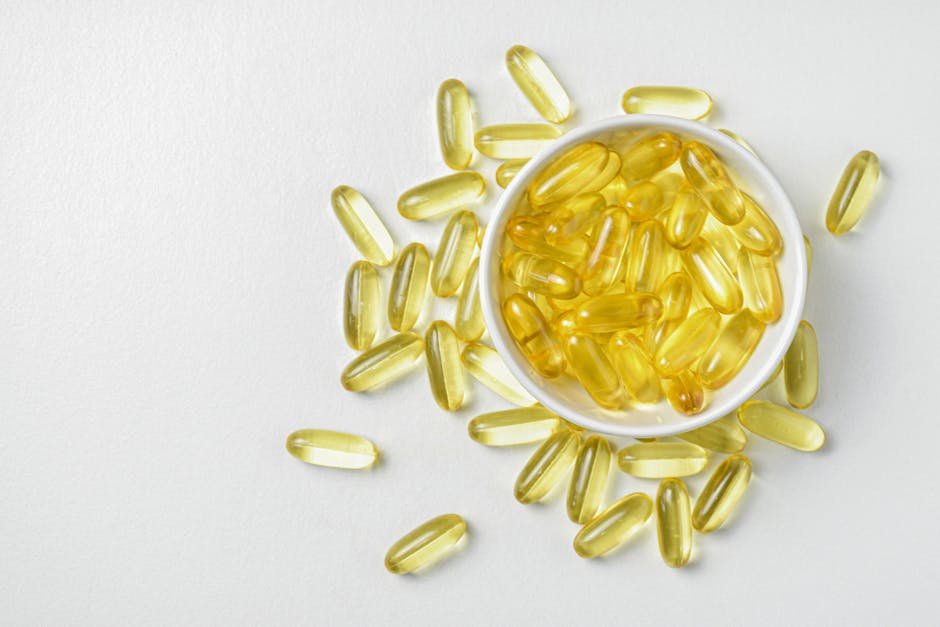
Delivery Form: Vitamin D supplements are available in various forms, including capsules, tablets, liquids, and gummies. Choose the form that best suits your preferences and lifestyle. Liquid forms may be easier to absorb for some individuals.
-
Brand Reputation: Research the brand and choose supplements from reputable manufacturers with a history of producing high-quality products. Read reviews from other customers to get an idea of their experience with the supplement.
-
With or Without K2: Some vitamin D supplements are combined with vitamin K2. Vitamin K2 plays a crucial role in calcium metabolism, directing calcium to the bones and teeth while preventing it from accumulating in the arteries. Taking vitamin D with K2 may offer additional benefits for bone health and cardiovascular health.
Top Vitamin D Supplement Brands and Products (Note: Brand names and specific products are subject to change and should be independently verified for up-to-date information.)
While specific product recommendations change frequently, some brands are consistently praised for their quality and reliability. Look for supplements from companies that prioritize third-party testing and transparency. Examples (for illustrative purposes only, not endorsements) include:
- Thorne Research: Known for its high-quality, well-researched supplements.
- Nordic Naturals: Renowned for its fish oil supplements and also offers vitamin D3 options.
- NOW Foods: A popular brand that provides affordable and reliable supplements.
- Life Extension: Offers a wide range of supplements, including vitamin D3 with K2.
- Nature Made: A readily available brand with USP-verified products.
Optimizing Vitamin D Absorption
To maximize the benefits of vitamin D supplements, consider these tips:
- Take with Food: Vitamin D is a fat-soluble vitamin, so it’s best absorbed when taken with a meal that contains fat.
- Consistency is Key: Take your vitamin D supplement regularly, as directed by your doctor or the product label.
- Monitor Your Levels: Get your vitamin D levels checked periodically, especially if you have risk factors for deficiency.
- Consult Your Doctor: Always consult with your doctor before starting any new supplement, especially if you have underlying health conditions or are taking other medications.
Potential Risks and Side Effects
While vitamin D is generally safe, taking excessively high doses can lead to toxicity. Symptoms of vitamin D toxicity include nausea, vomiting, weakness, and frequent urination. In severe cases, it can cause kidney damage and other serious health problems. It’s essential to adhere to recommended dosages and consult with your doctor if you have any concerns.
The Importance of a Holistic Approach to Immunity
While vitamin D is crucial for immune function, it’s just one piece of the puzzle. A holistic approach to immunity involves:
- Balanced Diet: Consuming a diet rich in fruits, vegetables, whole grains, and lean protein.
- Regular Exercise: Engaging in regular physical activity to boost immune function and reduce inflammation.
- Adequate Sleep: Getting 7-8 hours of quality sleep each night to support immune cell function.
- Stress Management: Practicing stress-reducing techniques like meditation, yoga, or spending time in nature.
- Hydration: Drinking plenty of water to support overall health and immune function.
By combining vitamin D supplementation with a healthy lifestyle, you can optimize your immune system and stay healthy year-round. Remember to consult with your healthcare provider to determine the appropriate dosage and monitor your vitamin D levels.