
Blueberries: The Tiny Titans of Antioxidants
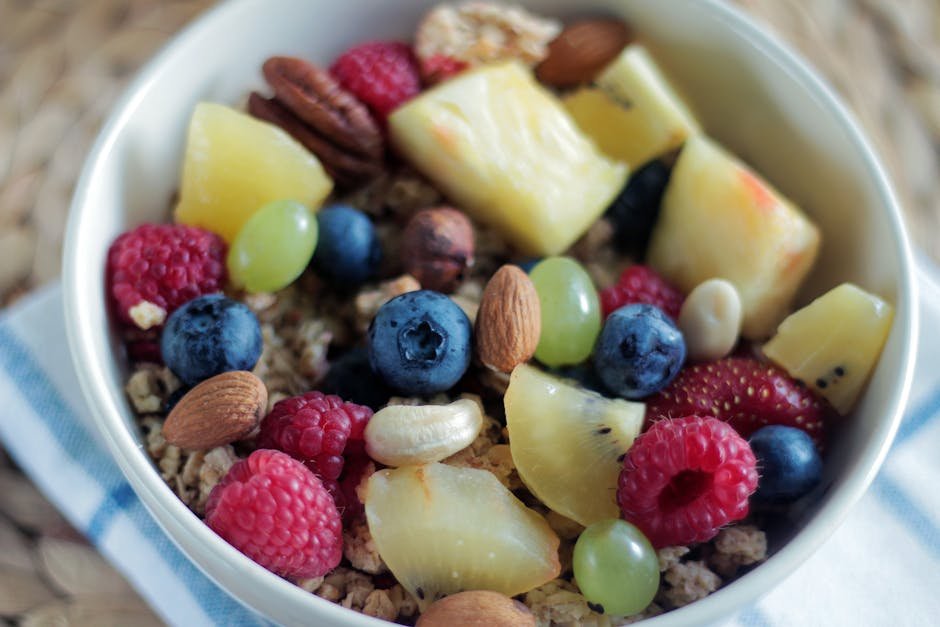
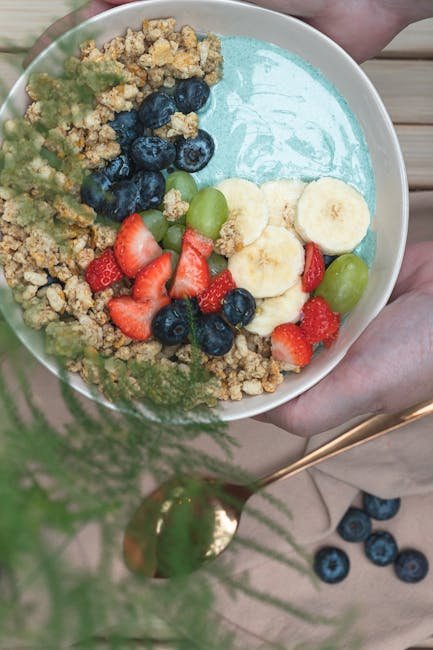
Blueberries, often hailed as a superfood, are packed with antioxidants, particularly anthocyanins, which give them their vibrant color and contribute to their numerous health benefits. Anthocyanins are powerful scavengers of free radicals, unstable molecules that can damage cells and contribute to aging and various diseases. Studies have linked blueberry consumption to improved cognitive function, including memory and focus, particularly in older adults. Regular consumption may also reduce the risk of neurodegenerative diseases like Alzheimer’s. Beyond the brain, blueberries boast anti-inflammatory properties, which can help reduce the risk of chronic diseases like heart disease and type 2 diabetes. They’re a good source of vitamin C, fiber, and manganese, supporting immune function and digestive health. Incorporate blueberries into your daily diet by adding them to yogurt, oatmeal, smoothies, or simply enjoying them as a healthy snack. Look for organic blueberries when possible to minimize pesticide exposure. They are also incredibly versatile, making them easy to include in baking and desserts.
Spinach: A Verdant Powerhouse of Vitamins and Minerals
Spinach is a dark, leafy green that’s a nutritional powerhouse. It’s an excellent source of vitamins A, C, and K, as well as minerals like iron, calcium, and potassium. Vitamin K is crucial for blood clotting and bone health, while vitamin A supports vision and immune function. The iron in spinach helps transport oxygen throughout the body, preventing fatigue and supporting energy levels. Spinach also contains antioxidants like lutein and zeaxanthin, which are important for eye health and may protect against age-related macular degeneration. Its high fiber content promotes healthy digestion and can help regulate blood sugar levels. Spinach is incredibly versatile; it can be eaten raw in salads, sautéed as a side dish, added to smoothies, or incorporated into cooked dishes like pasta and soups. Consider lightly steaming or sautéing spinach to enhance the bioavailability of certain nutrients, such as iron. Opt for fresh spinach whenever possible, but frozen spinach is also a convenient and nutritious option.
Salmon: The Omega-3 King
Salmon is a fatty fish that’s rich in omega-3 fatty acids, specifically EPA and DHA. These essential fatty acids are crucial for brain health, heart health, and reducing inflammation. Omega-3s play a vital role in brain development and function throughout life, supporting cognitive function, memory, and mood. They also help lower triglyceride levels, reduce blood pressure, and prevent the formation of blood clots, all of which contribute to a reduced risk of heart disease. Salmon is also a good source of high-quality protein, which is essential for building and repairing tissues, as well as vitamin D, which is important for bone health and immune function. Choose wild-caught salmon whenever possible, as it tends to be leaner and have a higher omega-3 content than farmed salmon. Prepare salmon by baking, grilling, poaching, or pan-frying. Aim to consume salmon at least twice a week to reap its numerous health benefits.
Avocado: The Creamy Source of Healthy Fats
Avocados are unique fruits that are high in healthy monounsaturated fats, which are beneficial for heart health. These fats help lower LDL (bad) cholesterol levels and raise HDL (good) cholesterol levels, reducing the risk of heart disease. Avocados are also a good source of fiber, which promotes healthy digestion and helps regulate blood sugar levels. They contain potassium, an essential mineral that helps regulate blood pressure and fluid balance. Additionally, avocados are rich in vitamins C, K, B5, B6, and E, as well as folate, which is important for cell growth and development. The creamy texture of avocados makes them a versatile addition to various dishes. They can be used in salads, sandwiches, smoothies, guacamole, or simply eaten on their own. Incorporate avocados into your diet regularly for their numerous health benefits and delicious flavor.
Quinoa: The Complete Protein Grain
Quinoa is a seed that’s often referred to as a grain due to its similar nutritional profile and culinary uses. It’s a complete protein, meaning it contains all nine essential amino acids that the body cannot produce on its own. This makes it an excellent protein source for vegetarians and vegans. Quinoa is also a good source of fiber, which promotes healthy digestion and helps regulate blood sugar levels. It’s rich in minerals like magnesium, iron, and manganese, as well as antioxidants. Quinoa is gluten-free, making it a suitable option for people with celiac disease or gluten sensitivity. It’s easy to cook and can be used in a variety of dishes, such as salads, soups, stews, or as a side dish. Consider using quinoa as a healthier alternative to rice or other grains. Its nutty flavor and fluffy texture make it a delicious and versatile addition to any meal.
Sweet Potatoes: The Vibrant Source of Vitamin A
Sweet potatoes are root vegetables that are rich in beta-carotene, a type of carotenoid that the body converts into vitamin A. Vitamin A is essential for vision, immune function, and cell growth. Sweet potatoes are also a good source of fiber, which promotes healthy digestion and helps regulate blood sugar levels. They contain potassium, an essential mineral that helps regulate blood pressure and fluid balance. Additionally, sweet potatoes are rich in vitamin C and manganese. Their naturally sweet flavor makes them a versatile ingredient in both sweet and savory dishes. They can be baked, mashed, roasted, or used in soups, stews, and casseroles. Opt for organic sweet potatoes whenever possible to minimize pesticide exposure. Incorporate sweet potatoes into your diet regularly for their numerous health benefits and delicious flavor.
Nuts and Seeds: The Powerhouse of Healthy Fats and Protein
Nuts and seeds are nutrient-dense foods that are packed with healthy fats, protein, fiber, vitamins, and minerals. Different types of nuts and seeds offer different nutritional profiles, so it’s beneficial to consume a variety of them. Almonds are a good source of vitamin E and magnesium, while walnuts are rich in omega-3 fatty acids. Chia seeds are high in fiber and omega-3 fatty acids, while flaxseeds are a good source of lignans, which have antioxidant properties. Nuts and seeds can help lower cholesterol levels, reduce the risk of heart disease, and improve blood sugar control. They’re also a good source of energy and can help you feel full and satisfied. Enjoy nuts and seeds as a snack, add them to salads, yogurt, or oatmeal, or use them in baking. Be mindful of portion sizes, as nuts and seeds are calorie-dense.
Broccoli: The Cruciferous Cancer Fighter
Broccoli is a cruciferous vegetable that’s known for its potent cancer-fighting properties. It contains compounds called glucosinolates, which are converted into isothiocyanates during digestion. Isothiocyanates have been shown to inhibit the growth of cancer cells and protect against various types of cancer. Broccoli is also a good source of vitamins C and K, as well as fiber. Vitamin C supports immune function, while vitamin K is important for blood clotting and bone health. Broccoli can be eaten raw, steamed, roasted, or stir-fried. To maximize its health benefits, avoid overcooking it, as this can destroy some of the beneficial compounds.
Greek Yogurt: The Probiotic Powerhouse
Greek yogurt is a fermented dairy product that’s rich in probiotics, beneficial bacteria that support gut health. Probiotics help improve digestion, boost the immune system, and protect against harmful bacteria. Greek yogurt is also a good source of protein, calcium, and vitamin B12. Protein helps build and repair tissues, calcium is important for bone health, and vitamin B12 is essential for nerve function. Choose plain, unsweetened Greek yogurt to avoid added sugars. You can add your own toppings, such as fruits, nuts, or seeds, to enhance the flavor and nutritional value. Greek yogurt can be enjoyed as a snack, breakfast, or used in smoothies and dips.
Green Tea: The Antioxidant Beverage
Green tea is a beverage that’s rich in antioxidants, particularly catechins, which have numerous health benefits. Catechins have been shown to protect against heart disease, cancer, and neurodegenerative diseases. Green tea can also improve cognitive function, boost metabolism, and promote weight loss. Choose high-quality green tea leaves and steep them properly to maximize their antioxidant content. Avoid adding sugar or artificial sweeteners. Enjoy green tea as a healthy and refreshing beverage throughout the day.